2026 Top Laser Cutting Machine Trends and Innovations?
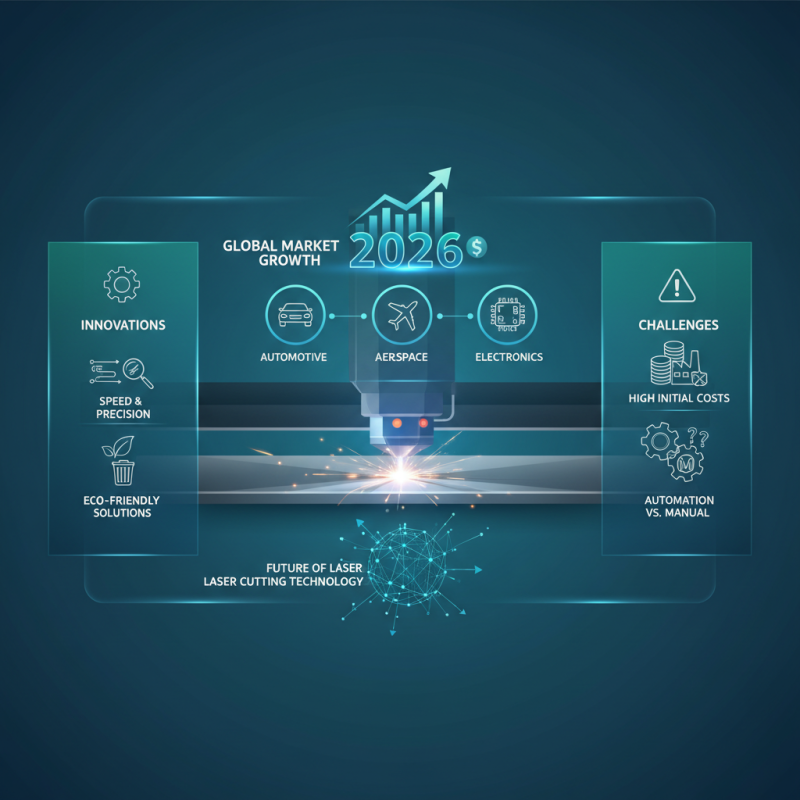
The laser cutting machine sector is rapidly evolving. According to a recent report by MarketsandMarkets, the global laser cutting machine market size is projected to reach $6.68 billion by 2026. This surge is driven by increasing demand across various industries, including automotive, aerospace, and electronics.
Innovation plays a critical role in this growth. New technologies, such as fiber laser systems, showcase speed and precision that surpass previous generations. Companies are now focusing on eco-friendly solutions, reducing waste during production. However, challenges remain. High initial costs can deter smaller businesses from investing in advanced laser cutting machines.
As trends emerge, a careful evaluation of these advancements is vital. The balance between automation and manual techniques continues to spark debate among industry experts. Understanding these dynamics is essential for manufacturers aiming to stay competitive in an ever-changing landscape. Embracing innovation while addressing these concerns will shape the future of laser cutting technology.
Emerging Technologies in Laser Cutting Machines for 2026
The laser cutting industry is witnessing exciting innovations as we approach 2026. Emerging technologies are shaping how machines operate. One notable trend is the integration of AI to enhance precision. AI algorithms analyze patterns and make real-time adjustments. This progress may lead to faster production cycles, but challenges remain in ensuring reliability.
Another significant innovation is the development of hybrid machines. These systems combine laser cutting with other processes like 3D printing. Such versatility can transform manufacturing practices. However, integrating these technologies may require additional training for operators, which can be a hurdle.
Additionally, advancements in laser sources are making machines more efficient. Fiber lasers, for example, operate with lower energy consumption. This shift not only reduces costs but also minimizes the environmental impact. Yet, the initial investment in such technologies can be daunting for smaller businesses. Balancing cost and innovation continues to be a critical factor in the industry.
2026 Top Laser Cutting Machine Trends and Innovations
| Trend/Innovation | Description | Expected Impact | Adoption Rate (%) |
| AI Integration | Incorporating artificial intelligence for enhanced precision and efficiency. | Higher productivity and reduced errors. | 75 |
| Energy Efficiency | Use of eco-friendly laser technologies to minimize energy consumption. | Lower operational costs and reduced carbon footprint. | 65 |
| Mobile Laser Cutting | Development of compact and portable laser cutting solutions. | Increased accessibility for small businesses and on-site operations. | 50 |
| Advanced Materials Processing | Capability to cut complex materials like ceramics and composites. | Broader application in various industries. | 60 |
| Cloud Computing | Utilization of cloud services for data storage and analysis. | Improved data management and remote operation capabilities. | 70 |
Integration of AI and Automation in Laser Cutting Processes
The integration of AI and automation is reshaping laser cutting processes. Recent industry reports indicate that up to 70% of manufacturers are adopting these technologies. This shift enhances precision and efficiency, but challenges remain. One notable concern is data security. As machines connect to the cloud, there's an increased risk of cyber threats.
AI algorithms can optimize cutting paths, reducing waste and improving productivity. However, they might also struggle with non-standard materials, leading to inconsistencies. It’s essential to carefully evaluate the integration of AI in unique applications. Moreover, operators need training to effectively use these advanced systems. Not every workforce is prepared for this rapid change.
Automation streamlines operations but can lead to job displacement. Balancing technology and human skills is crucial. A study showed that 40% of workers fear losing their jobs to automation. Companies must address these concerns to ensure a smooth transition. Engaging employees in training can mitigate resistance. The industry is evolving, and businesses must adapt while being mindful of these challenges.
Sustainability Practices and Eco-Friendly Designs in Laser Cutting
The rise of eco-friendly designs in laser cutting is becoming a significant trend. More industries are focusing on sustainability. Laser cutting is precise and efficient, which lowers material waste. Manufacturers are adapting their practices to support the environment.
Businesses can start small. One tip is to choose materials that are recyclable or renewable. For example, wood and certain metals can be reused effectively. Additionally, using energy-efficient machines can drastically reduce electricity consumption. Incorporating these practices can lead to a greener footprint.
However, challenges remain. Some may find it hard to source sustainable materials locally. Others struggle with higher initial costs for eco-friendly equipment. These hurdles require innovative thinking and commitment. It’s essential to continually assess and improve practices. This ongoing evaluation can pave the way for future advancements in sustainability.
Advancements in Laser Cutting Materials and Techniques
The world of laser cutting is evolving rapidly. New materials are enhancing the capabilities of laser technology. For instance, advanced polymers are now being used, allowing for intricate designs and better flexibility. This shift enables deeper cuts and more complex shapes.
Innovations in laser techniques are also on the rise. Improved beam quality leads to cleaner cuts, reducing the need for post-processing. However, integrating these new techniques can be challenging. Operators must adapt to changing workflows and invest in training. There’s still a learning curve. It’s essential to balance innovation with the skills of the workforce.
Moreover, the sustainability angle cannot be ignored. Eco-friendly materials are becoming more popular. But, incorporating them with traditional methods may require adjustments in processes. Some may struggle with these changes, facing initial setbacks. However, embracing this transition could lead to remarkable outcomes in laser cutting.
Market Forecast and Industry Trends for Laser Cutting Machines in 2026
The laser cutting machine market is set for significant shifts by 2026. Recent industry reports suggest a projected growth rate of around 8% annually. This increase is propelled by the rising demand for precision in manufacturing. Industries like automotive and aerospace are leading this trend. They require speed and accuracy, which laser cutting can deliver.
A key innovation lies in automation. Advanced systems can now integrate artificial intelligence. This results in enhanced efficiency and reduced waste. However, not every organization adapts quickly. Some teams face challenges interpreting complex data generated by these machines. The learning curve can be steep.
Sustainability also plays a critical role in future trends. Reports indicate that companies increasingly prioritize eco-friendly practices. Integrating laser cutting technology often leads to less material waste and decreased energy consumption. Yet, achieving sustainable operations still demands awareness and training. The transition may not always be smooth, but it is essential for long-term viability in competitive markets.
2026 Laser Cutting Machine Trends and Innovations