China Best Solenoid Ball Valve Manufacturer Supplier?
Choosing China’s best Solenoid Ball Valve manufacturer supplier requires more than comparing catalog prices. A reliable supplier should understand media, pressure, temperature, voltage, and installation conditions. These details influence sealing materials, valve size, response time, and service life. In practical projects, a valve that looks suitable can still fail during commissioning. Small errors matter. A mismatched coil may overheat, while an unsuitable seal may swell or leak. This is why experienced buyers inspect both products and manufacturing processes.
A capable Chinese manufacturer should provide clear drawings, traceable material information, and repeatable testing records. Useful evidence may include pressure tests, electrical checks, cycle testing, and inspection photographs. Independent certifications can add confidence, but certificates should match the exact model supplied. That point is often overlooked. Factory communication also matters. Technical teams should explain flow direction, manual override options, thread standards, and replacement coils. Samples can reveal machining quality, wiring details, and actual response performance before bulk purchasing. A 24V DC coil, stainless steel body, and dependable sealing system may look simple, but each detail deserves verification.
This guide examines how to compare Chinese Solenoid Ball Valve suppliers with practical judgment. It considers product range, customization ability, quality control, lead times, export experience, and after-sales support. No supplier is perfect. Even a strong factory may struggle with unusual media or low-volume orders. Buyers should record requirements, request written specifications, and verify performance under real operating conditions. The best choice is not simply the lowest quotation. It is the supplier that delivers consistent valves, honest documentation, and dependable technical support over time. Good equipment begins with clear questions.
What Is a Solenoid Ball Valve and How Does It Work?
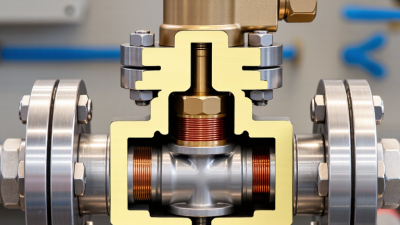
A solenoid ball valve controls liquid or gas through an electrically operated shutoff mechanism. It combines a compact valve body with a rotating ball containing a drilled passage. When the passage aligns with the pipeline, media flows. A quarter-turn movement blocks the route. Simple and visible.
When power reaches the solenoid coil, it creates a magnetic field. The field moves a plunger or drives an actuator, depending on the valve design. That movement rotates the ball or changes the valve position. Removing power usually returns the valve through a spring, but not every model works this way. Check the operating diagram.
In field installations, I have found that voltage, pressure, temperature, and media compatibility matter more than appearance. A valve for clean water may fail early with abrasive fluid. Coil heating also deserves attention in continuous-duty applications. Select the correct seal material and port size. Measure carefully.
The term “solenoid ball valve” is used inconsistently by suppliers. Some products use direct solenoid action, while others use a motorized quarter-turn actuator. This difference affects response time, energy use, and maintenance. A reliable manufacturer or supplier should provide flow data, wiring details, pressure ratings, and test records. Ask for these documents before purchasing. I would not trust a polished product page alone. Availability sounds attractive, but service access matters more when a valve stops operating.
Key Features of High-Quality Solenoid Ball Valves
China Best Solenoid Ball Valve Manufacturer Supplier?
Key Features of High-Quality Solenoid Ball Valves
A high-quality solenoid ball valve should open cleanly, seal tightly, and survive repeated cycles. In practical installations, 316 stainless steel bodies resist moisture, mild chemicals, and outdoor corrosion better than ordinary steel. The sealing material also matters. PTFE handles many fluids, while EPDM suits selected water and air applications. Always verify chemical compatibility.
Electrical reliability is equally important. Look for a coil with stable voltage tolerance, low heat rise, and clear insulation ratings. An IP65 or IP67 enclosure rating, tested under IEC 60529, helps protect the coil from dust and water. ISO 5211 mounting dimensions can simplify actuator installation. EN 12266 leakage testing provides useful evidence of shutoff performance. According to the U.S. Department of Energy, compressed-air systems may lose 20–30% of output through leaks. A poor valve can quietly increase this waste.
Tips: Check pressure, temperature, flow direction, and media before ordering. Ask for cycle-test records, material certificates, and inspection results. A valve rated for 10,000 cycles may be unsuitable for constant switching. That detail is easy to miss. MarketsandMarkets’ 2024 industry analysis also indicates steady growth in the solenoid valve market, driven by automation and process control. However, market growth does not guarantee quality. Compare response time, Cv value, manual override design, and fail-safe behavior. I would also test one sample in the actual pipeline. Laboratory figures can look perfect, yet field conditions often disagree.
How to Evaluate a Solenoid Ball Valve Manufacturer
How to Evaluate a Solenoid Ball Valve Manufacturer
A reliable solenoid ball valve manufacturer should provide measurable evidence, not polished promises. MarketsandMarkets’ 2023 Solenoid Valve Market report estimated the sector at about USD 4.3 billion in 2022. It also projected continued growth through 2027. This expansion increases supplier choices, but quality can vary sharply.
Check the manufacturer’s engineering records first. Ask for pressure-test reports, cycle-life results, coil temperature data, and material certificates. The valve body should match the application’s pressure, temperature, and fluid conditions. Stainless steel, sealing material, and port design all affect service life. Confirm actuator compatibility with ISO 5211 mounting dimensions where applicable. Small details matter.
Request samples from the same production batch. Compare response time, leakage, wiring, and manual override performance. The supplier should explain inspection frequency and corrective actions. ISO 9001 certification helps, but it does not guarantee a perfect valve. That is an important limitation. A 2024 Grand View Research report placed the broader industrial valves market at more than USD 78 billion globally, showing how crowded this supply chain has become. Price alone is a weak filter. A cheaper coil may consume more energy or fail sooner. Ask for after-sales response times, spare-part availability, and traceable serial records. Good suppliers answer clearly. Vague answers deserve another review.
Why Choose a China-Based Solenoid Ball Valve Supplier?
Why Choose a China-Based Solenoid Ball Valve Supplier?
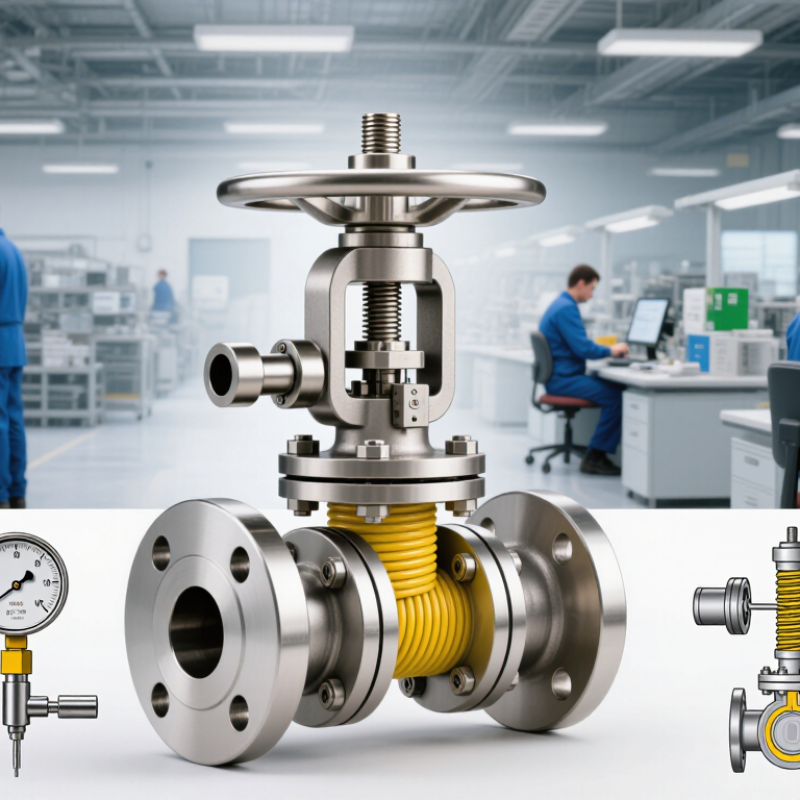
A China-based solenoid ball valve supplier can combine production experience with flexible engineering support. Many manufacturers operate complete lines for machining, assembly, coil winding, and pressure testing. This structure can shorten communication between design and production teams. A buyer may discuss thread standards, voltage, seal materials, and flow requirements with technical staff directly. Small details matter. A 24V DC coil and a 230V AC coil require different application checks.
Cost is another consideration, but price alone should not guide selection. Reliable suppliers provide material certificates, inspection records, sample testing, and traceable production batches. During a factory review, examine machining accuracy, sealing tests, electrical insulation checks, and packaging quality. Ask how rejected parts are handled. Clear answers usually reveal more than polished brochures. Independent testing can also confirm pressure ratings and operating performance before bulk delivery.
China’s manufacturing network offers access to stainless steel, brass, sealing compounds, coils, connectors, and automation components. This can support custom orders without excessive delays. However, not every supplier maintains the same quality discipline. That is the difficult part. A capable partner should accept drawings, explain limitations, and identify risks before production. Specifications may still need revision after field testing. That is normal. Keep approval samples, inspection criteria, and change records in writing. Regular communication remains essential when valves serve water systems, heating equipment, or industrial automation.
Why Choose a China-Based Solenoid Ball Valve Supplier?
Typical procurement priorities when evaluating industrial solenoid ball valve suppliers
China-based suppliers are often evaluated for manufacturing capacity, customization capability,
product variety, export experience, and cost efficiency. The scores shown are an illustrative
1–10 procurement benchmark based on common industrial valve purchasing criteria and are not linked
to any specific company or brand.