Why Choose Solenoid Valves for Your Industrial Applications?
In the realm of industrial applications, choosing the right components is crucial. Experts like Dr. Emily Sanders, a leading authority in fluid dynamics, emphasize this importance. She states, "Solenoid valves offer unmatched precision and reliability in various systems." This expertise highlights why solenoid valves are often favored in demanding environments.
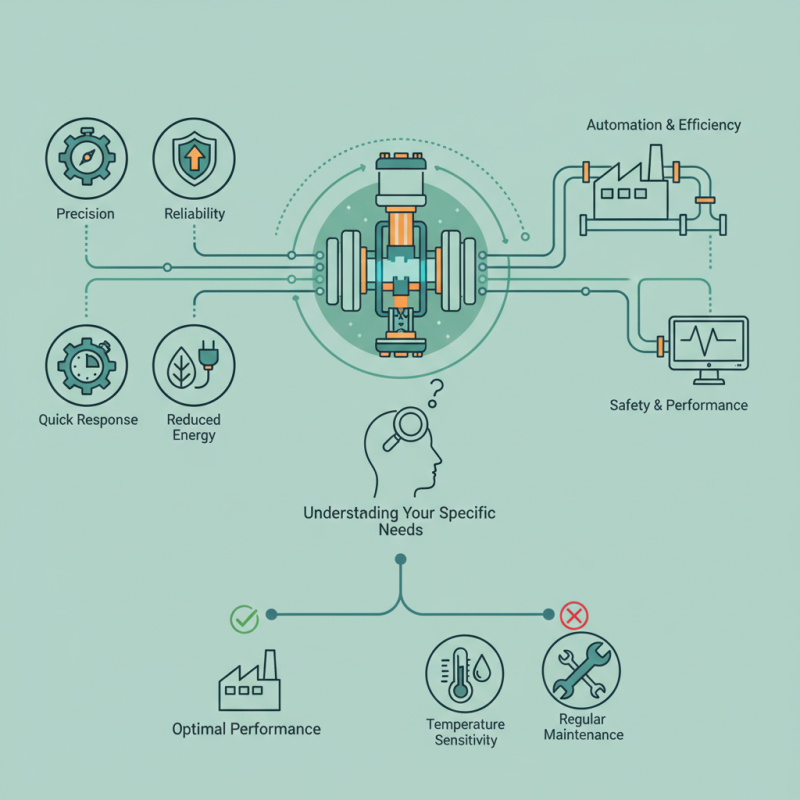
Solenoid valves are essential for controlling fluid flow. They provide automation and efficiency. Their design allows for quick response times and reduced energy consumption. Industries rely on them for safety and performance. However, not all applications require solenoid valves. Some situations may benefit from alternative solutions. Understanding your specific needs is vital.
While solenoid valves bring many advantages, they can also have drawbacks. They may be sensitive to temperature changes and require regular maintenance. Users should evaluate their operational environment carefully. It is crucial to ensure that solenoid valves will function optimally in your system. This critical decision impacts overall system performance and reliability.
Benefits of Solenoid Valves in Industrial Automation Systems
In industrial automation, solenoid valves offer several advantages. These electric valves respond quickly to signals. They can control the flow of fluids and gases with precision. Their efficiency helps reduce energy consumption, which is crucial in large-scale operations. Many industries rely on solenoid valves for their reliability under stress. They are designed to withstand high temperatures and pressures, often in tough environments.
The ease of integration is another key benefit. Solenoid valves can be easily connected to various control systems. This adaptability means they fit well into existing setups. Maintenance is relatively straightforward, yet some users may overlook this aspect. Regular checks can prevent issues before they escalate. Poor maintenance might lead to unexpected downtime.
The compact design of solenoid valves saves space in crowded machinery layouts. Their versatility allows them to be used in multiple applications, from irrigation to manufacturing. However, users must understand the specifications to avoid mismatches. An ill-suited valve can compromise performance. Investing time in training and knowledge can mitigate such risks.
Benefits of Solenoid Valves in Industrial Automation Systems
Reliable Performance Metrics of Solenoid Valves in Various Industries
Solenoid valves are crucial in various industrial applications, offering reliable performance metrics. These valves operate using electromagnetic coils to control fluid flow, providing swift action and accurate regulation. Many industries benefit from their reliability and efficiency.
In manufacturing, solenoid valves enable precise control of machinery and processes. Their quick response time contributes to improved automation efforts. In the food and beverage industry, these valves ensure safety and hygiene, preventing contamination.
**Tip:** Regular maintenance of solenoid valves is essential. This practice can prevent unexpected failures. Inspecting components for wear can save time and money in the long run.
In HVAC systems, solenoid valves play a role in maintaining optimal temperature levels. They facilitate the automated control of refrigerants. However, users must be aware of their limitations. Occasionally, response times may vary based on environmental factors.
**Tip:** Choose solenoid valves based on specific application needs. Assess flow requirements and pressure ratings to ensure compatibility. Proper selection enhances reliability and performance.
Energy Efficiency and Cost Savings Associated with Solenoid Valves
In industrial applications, solenoid valves are increasingly recognized for their energy efficiency. According to a report from the U.S. Department of Energy, properly tuned solenoid valves can reduce energy costs by up to 30%. This performance is particularly significant in pneumatic and hydraulic systems where waste energy leads to higher operational costs.
Moreover, solenoid valves facilitate precise control of fluids and gases. This precision results in improved system performance and energy utilization. Research shows that industries can achieve up to 20% savings by effectively managing their fluid movement. Such advancements are crucial, especially when energy prices fluctuate and budgets tighten.
While the benefits are clear, it’s essential to consider installation and maintenance issues. Improperly installed valves may lead to leaks or system failures. Regular maintenance checks are vital to sustain the efficiency gains. Ignoring these aspects can negate potential savings and lead to larger, costly repairs down the road. Energy-efficient systems require ongoing attention to be truly effective, making operator training an essential component of implementation.
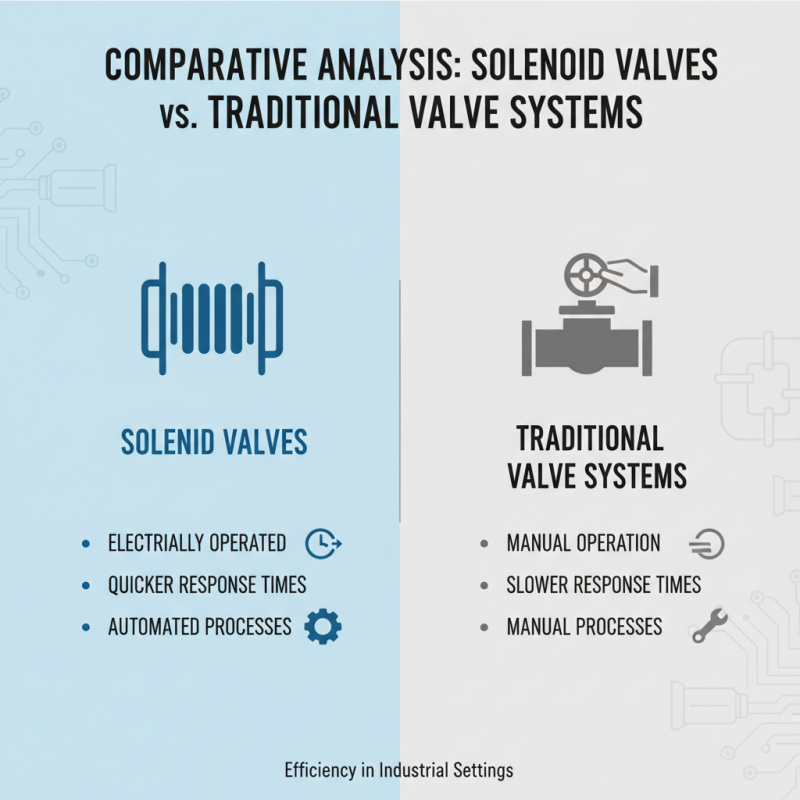
Comparative Analysis: Solenoid Valves vs. Traditional Valve Systems
When comparing solenoid valves to traditional valve systems, several key differences emerge. Solenoid valves are electrically operated. They offer quicker response times. This feature is crucial in many industrial settings where efficiency matters. Traditional valves may require manual operation, leading to delays. Solenoid valves can automate processes, freeing up operators for other tasks.
Another point of comparison is the complexity of maintenance. Solenoid valves tend to have simpler designs. This can make them easier to install and maintain. However, their reliance on electric components can pose issues, especially if there are power fluctuations. In contrast, traditional valves often require more physical effort for maintenance. Yet, their mechanical design can be more forgiving in power outages.
Lastly, the durability of both systems should be considered. Solenoid valves, when properly maintained, can last a long time. However, they may be vulnerable to environmental factors like temperature and humidity. On the other hand, traditional valves are often more robust. They can experience wear and tear over time, but their robust nature can sometimes endure harsher conditions. Each system has its advantages and disadvantages. The best choice often depends on specific operational needs.
Maintenance and Longevity Factors of Solenoid Valves in Operations
Solenoid valves are essential in many industrial settings. Their durability greatly impacts maintenance strategies. A study from the International Journal of Industrial Automation highlights that regular servicing can extend a solenoid valve's life by up to 50%. However, improper installation or neglect can lead to premature failures, which disrupt operations.
The failure rate of solenoid valves, according to industry reports, hovers around 15% when not properly maintained. Frequent inspections and timely replacements are crucial. It is recommended to monitor operating conditions closely. High temperatures or aggressive media can accelerate wear and tear. These factors necessitate a proactive maintenance approach, promoting reliability in operations.
Additionally, choosing the right materials for solenoid valves is vital. Corrosion-resistant materials can mitigate issues arising from harsh environments. According to the Valves and Actuators Association, around 30% of valve failures are attributed to material degradation. Thus, thorough evaluation of operational conditions is required. While solenoid valves have long service lives, they are not immune to challenges. Industries must strike a balance between upfront costs and long-term reliability for optimal performance.
Why Choose Solenoid Valves for Your Industrial Applications? - Maintenance and Longevity Factors of Solenoid Valves in Operations
| Factor |
Description |
Impact on Longevity |
Recommended Actions |
| Material Quality |
High-grade materials enhance resistance to corrosion and wear. |
Increases lifespan and reduces the risk of failure. |
Use valves made from stainless steel or other robust materials. |
| Cycle Rate |
Refers to the number of operational cycles a valve can endure. |
High cycle rates can lead to more frequent maintenance needs. |
Choose valves suited for the expected cycle conditions. |
| Temperature Resistance |
Valves must operate efficiently under varying temperature conditions. |
Higher temperature resistance leads to improved performance and longevity. |
Select valves that provide an adequate rating for your application's temperature. |
| Maintenance Schedule |
Regular maintenance can significantly extend valve life. |
Neglecting maintenance can result in premature failures. |
Implement a thorough and routine maintenance protocol. |
| Installation Quality |
Improper installation can lead to leaks and malfunctions. |
Correctly installed valves function better and last longer. |
Ensure proper technique and follow manufacturer guidelines during installation. |