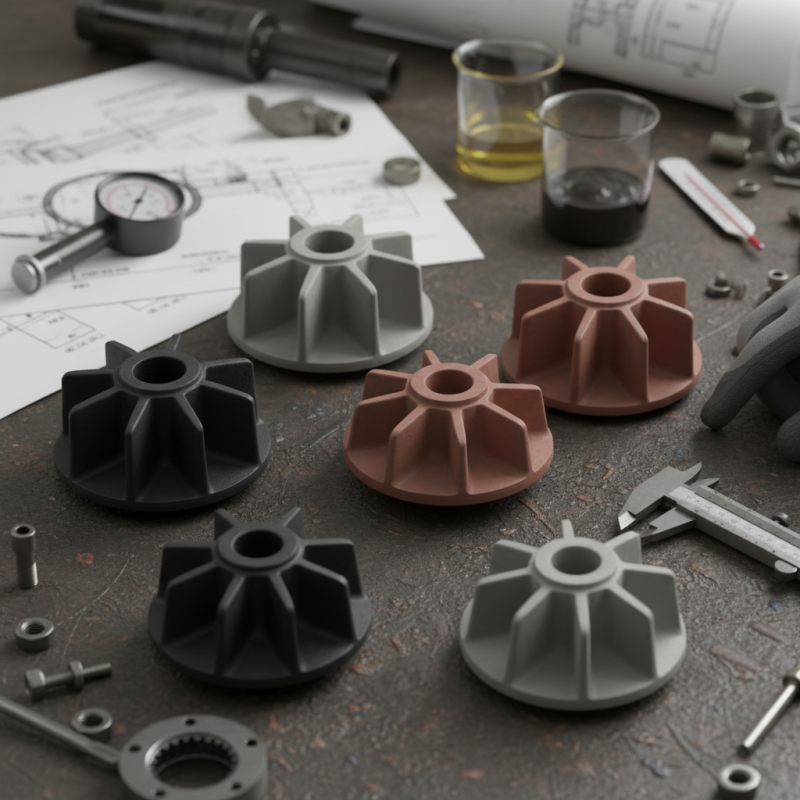
How to Choose the Right Rubber Pump Impeller for Your Needs?
When selecting a Rubber Pump Impeller, the decision can be daunting. The wrong choice could lead to inefficiencies or damage. Understanding various factors is crucial for making the right selection.
Rubber Pump Impellers are designed for specific applications. Factors such as fluid type, temperature, and pressure can influence the choice. Additionally, the impeller's size and shape matter too. Be aware of the impact these elements have on performance.
Moreover, mixing up specifications can lead to misunderstandings. Some users overlook the importance of material compatibility. This oversight can hinder the pump's effectiveness. Taking time to evaluate these factors will streamline your selection process. The right Rubber Pump Impeller can enhance operations and durability.
Understanding the Function and Importance of Rubber Pump Impellers
Rubber pump impellers play a crucial role in the efficiency and reliability of pumps. They help to move fluids by converting rotational energy into fluid movement. Understanding their function is essential for choosing the right one. The material, design, and size of the impeller affect performance significantly. A high-quality impeller can improve flow rates and reduce energy consumption.
Consider the operating environment when selecting an impeller. Different rubber compounds can withstand varying temperatures and chemicals. Not every type is suitable for every application. For instance, an impeller used in a corrosive environment may wear out quickly if not chosen correctly. Sometimes, it's challenging to find the right balance between durability and flexibility.
Pay attention to the installation and maintenance requirements as well. Some impellers may require more frequent replacements or adjustments. This can lead to increased downtime. It’s beneficial to evaluate how much time you can dedicate to maintenance. Understanding your specific needs can help avoid costly mistakes. Impellers may seem simple at first, but their importance in fluid dynamics cannot be underestimated.
Identifying the Specific Requirements for Your Pump Application
Choosing the right rubber pump impeller is crucial for optimal performance. Start by identifying the specific requirements of your pump application. Consider the type of fluid being pumped. Is it viscous or thin? This will impact the type of impeller you need. For sludges, a higher flow rate impeller may not work effectively.
Think about the operating conditions. What is the temperature and pressure range? These factors affect the material selection for the impeller, impacting durability. Additionally, consider the pump’s design and dimensions. A mismatch can lead to inefficiency. Ensure you have accurate measurements. Small differences can result in significant performance issues over time.
Assessing the environment is also critical. Is it corrosive or abrasive? If so, you might need special materials that offer better resistance. Don’t overlook these details. Misjudging the requirements can lead to poor performance. Reflect on past experiences; can they guide your choices now? Familiarize yourself with all variables before making a final decision.
Comparing Different Types of Rubber Material for Durability and Flexibility
Choosing the right rubber pump impeller is crucial for performance. The type of rubber material used can greatly affect durability and flexibility. Different applications require varying levels of resilience. For instance, some rubber compounds offer excellent wear resistance, making them ideal for abrasive environments.
Natural rubber tends to be strong and elastic. However, it may not perform well in extreme temperatures. On the other hand, synthetic rubbers like nitrile provide great oil resistance. They are less flexible but can withstand harsh chemicals. It’s worth noting that flexibility may decrease with higher durability in certain materials.
When selecting materials, consider the specific demands of your operation. Test various compositions if possible. Balancing durability and flexibility is tricky. Reflect on the conditions the impeller will face, such as pressure and temperature changes. Choosing improperly could lead to unexpected failures.
Evaluating Size and Compatibility with Existing Pump Systems
Choosing the right rubber pump impeller requires attention to size and compatibility. When evaluating size, measure the existing impeller carefully. Compare the dimensions to potential replacements. A mismatch can lead to inefficiency. Sometimes, slight variations can cause problems. For example, even a minor difference in diameter can impact flow rates.
Compatibility with your pump system is crucial. The material of the impeller should suit your application. Rubber is versatile, but not every rubber type is ideal for every fluid. Take note of temperature and chemical exposure. Some users overlook these factors, leading to premature wear. This can be frustrating and costly.
It is also wise to consult technical specifications. Sometimes, the information isn’t readily available. Double-check your pump's manual if needed. Users often assume compatibility without verification. Such assumptions might result in selecting an improper impeller. Conducting a thorough assessment can save time and resources in the long run.
Considering Manufacturer Reputation and Warranty Options for Quality Assurance
When selecting a rubber pump impeller, considering the manufacturer’s reputation is crucial. A well-known manufacturer often reflects quality and dependable performance. Look for companies with a history of producing durable products. Read customer reviews. Feedback from other users can provide insights into reliability.
Warranty options also play a significant role. A strong warranty indicates that the manufacturer stands behind their product. If issues arise, you want assurance that support is available. Many manufacturers offer limited warranties. Understand the terms. This helps in making an informed decision.
**Tip:** Check online forums and communities for real user experiences. These platforms can reveal hidden issues or praises that official sources might overlook.
**Tip:** Ask about the testing standards the manufacturer employs. This gives clarity on whether the impeller meets industry performance expectations. Knowing this can guide your choice and reduce future regrets.
How to Choose the Right Rubber Pump Impeller for Your Needs?
| Impeller Type | Material | Flow Rate (GPM) | Max Pressure (PSI) | Warranty (Years) | Manufacturer Reputation (Rating) |
| Closed | Nitrile Rubber | 20 | 50 | 5 | 4.5/5 |
| Open | EPDM | 30 | 60 | 3 | 4.0/5 |
| Semi-Open | Natural Rubber | 25 | 55 | 4 | 4.2/5 |
| Screw | Silicone | 15 | 45 | 6 | 4.7/5 |
| Vortex | Neoprene | 28 | 70 | 2 | 4.3/5 |