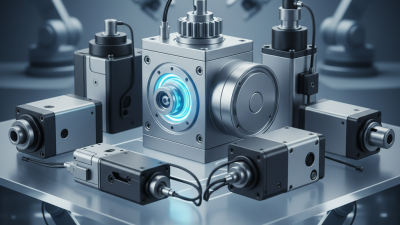
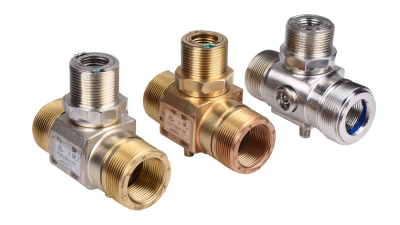
How to Choose the Right Butterfly Valve Actuator for Your Needs?
Choosing the right butterfly valve actuator is crucial for optimal performance in various applications. These actuators control the flow of fluids in pipelines, making their selection important for efficiency. Various factors influence this decision, including size, operating conditions, and the specific media being controlled.
Understanding your needs can be tricky. For instance, a high torque requirement may demand a different actuator than a standard operation. Additionally, environmental factors such as temperature and pressure can significantly impact actuator performance. Users often overlook these details, which can lead to failures or inefficient operations.
Ultimately, selecting the right butterfly valve actuator should not be rushed. It demands careful consideration and expertise. Informed decisions can save time and money, ensuring long-lasting functionality. Seek reliable sources and expert advice to enhance your choices.
Understanding Butterfly Valves and Their Applications
Butterfly valves play a crucial role in various industrial applications. They are commonly used to control the flow of liquids and gases. These valves consist of a rotating disc that regulates flow by opening or closing against the pipe. Their design makes them efficient for both throttling and isolating tasks.
In water treatment facilities, butterfly valves manage water flow effectively. They are lightweight and easy to operate, reducing installation costs. Energy industries also benefit from their use in pipelines for oil and gas. The quick operation of the butterfly valve enhances system responsiveness and safety. However, not all applications are suitable for every butterfly valve type. Factors such as pressure and temperature requirements can vary across different scenarios.
Selecting the right actuator for a butterfly valve requires careful consideration. The actuator's size and power should match the valve's specifications. It’s essential to assess both the actuator and valve compatibility. A mismatch can lead to operational issues and increased maintenance needs. Users must evaluate their specific requirements to ensure optimal performance. Understanding these aspects can prevent potential difficulties in valve operation.
Factors to Consider When Selecting an Actuator Type
Choosing the right actuator for a butterfly valve is essential. It affects efficiency, safety, and maintenance costs. Various actuator types exist, and each has unique features. Pneumatic actuators are fast and provide high torque. However, they may require a compressed air source, which may not be available in all settings.
Electric actuators, on the other hand, offer precision control and can operate in diverse environments. They require less maintenance but may be slower than their pneumatic counterparts. When deciding, consider the specific application requirements. Will the actuator be exposed to extreme temperatures? Does the environment contain corrosive substances? These details influence your choice significantly.
Evaluate the power supply conditions. A convenient power source can simplify installation. Consider the control system too; compatibility with existing systems is vital. Lastly, reflect on the long-term operational costs. A cheaper initial investment might not always mean better efficiency over time. Understanding these factors can lead to a more informed decision.
Comparing Electric, Pneumatic, and Hydraulic Actuators
When selecting a butterfly valve actuator, comparing electric, pneumatic, and hydraulic options is crucial. Each type has distinct strengths and weaknesses. Electric actuators are known for their reliability in precise control applications. According to industry data, about 45% of modern systems prefer electric actuators for their energy efficiency. These actuators offer straightforward installation and automation capabilities, making them popular in process control industries.
Pneumatic actuators, on the other hand, excel in applications requiring rapid motion. They are lighter and often used in environments where space is limited. However, a downside is their dependence on compressed air, which can introduce additional costs and maintenance. Reports show that approximately 30% of industries utilize pneumatic options for their quick response times. Yet, users must consider the potential for air leaks, which can undermine efficiency.
Hydraulic actuators provide high torque and are ideal for heavy-duty applications. Many industries rely on hydraulic systems for robust performance, especially in the manufacturing sector. Data indicates that hydraulic actuators are favored in applications requiring substantial force, but they require careful maintenance. Their complexity can lead to challenges, including potential leaks and the need for expert troubleshooting. Balancing these options is key to finding the right fit for specific operational needs.
Sizing Your Actuator: Key Measurements and Specifications
Choosing the right actuator for your butterfly valve is crucial. It significantly impacts efficiency and performance. One major aspect to consider is the sizing of the actuator. Accurate measurements ensure that the actuator can handle the valve's torque requirements effectively.
Key measurements include the valve size, pressure rating, and media type. A report from the Valve Manufacturers Association indicates that improper actuator sizing can lead to inefficiency. For example, an actuator that is too small may not fully open the valve, causing flow restrictions. In contrast, an oversized actuator can lead to excessive wear and higher operational costs.
Additionally, consider the specifications like the actuator's stroke length and response time. These details affect how quickly and accurately the valve responds in various applications. Research shows that response time variations can result in significant process inefficiencies. Understand your system requirements to make an informed decision.
Installation and Maintenance Tips for Optimal Performance
When selecting a butterfly valve actuator, installation and maintenance play crucial roles in ensuring optimal performance. Proper installation starts with the alignment of the actuator to the valve stem. Misalignment can lead to premature wear or even failure. It's essential to securely mount the actuator on a stable surface and use the appropriate fasteners. Additionally, check that all connections are tight. A thorough inspection of these elements can significantly enhance the lifespan of your valve actuator.
Routine maintenance is vital but often overlooked. It involves regular checks for wear and tear on seals and gaskets. Even minor leaks can affect performance. Lubrication of mechanical parts should be conducted per the manufacturer's recommendations. If, after maintenance, issues persist, it may indicate a deeper problem. In such cases, consider consulting a professional. Remember that every installation and maintenance process comes with a learning curve. Adjustments and improvements can lead to better outcomes over time. Each step taken today ensures reliable operation tomorrow.