How to Choose the Right Control Valves for Your Needs?
When selecting the right control valves, making informed decisions is crucial. According to John Smith, a renowned expert in the control valves industry, “Choosing the correct valve can significantly enhance system efficiency.” His insight underscores the importance of understanding the diverse options available. Control valves play a vital role in various applications, from regulating flow to maintaining system pressure.
Every project demands specific valve features, including size, material, and type. With such vast choices, it is easy to overlook essential criteria. Understanding your system's requirements is paramount. Yet, many still struggle with the selection process. Missteps can lead to inefficiencies or even costly failures.
In a landscape dominated by innovation, it is essential to consider the long-term impact of your choices. Assessing functionality, durability, and maintenance is key. Control valves are not just parts of a system; they can define overall performance. Therefore, reflecting on past decisions regarding control valves can lead to better outcomes in the future.
Understanding Control Valves: Types and Functions
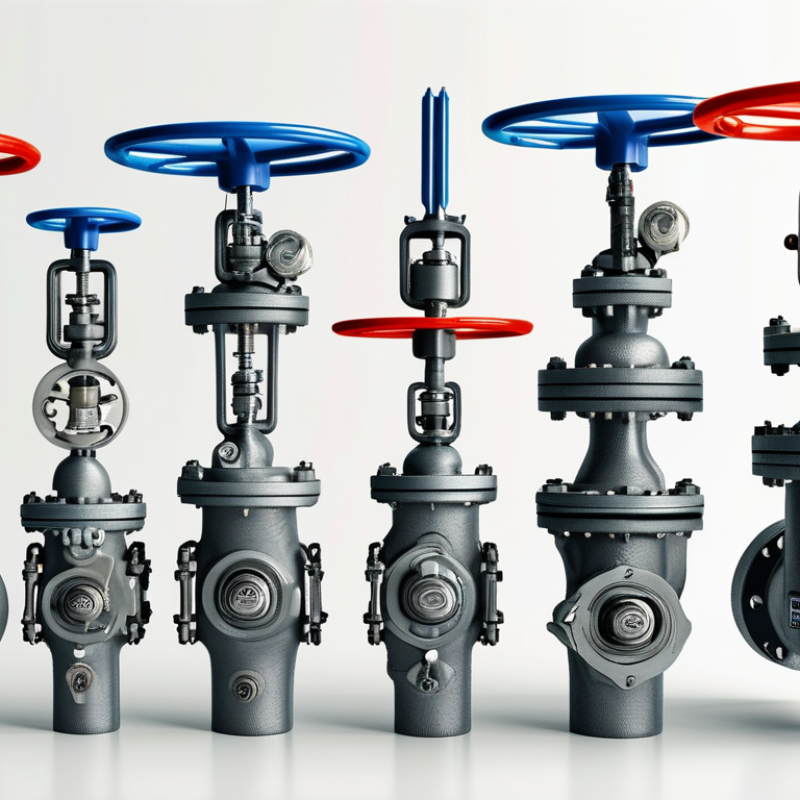
Control valves play a crucial role in managing flow and pressure in various systems. Understanding their types and functions is essential for optimizing performance. Common types include globe, ball, and butterfly valves. Each type serves specific applications, depending on the fluid characteristics and process requirements. Globe valves are ideal for throttling, while ball valves offer quick shut-off capabilities. Butterfly valves are space-efficient options for large flow rates.
Selecting the appropriate control valve entails assessing the system's needs. Consider the fluid's temperature, pressure, and viscosity. System size and installation space also matter. Many fail to do thorough evaluations, leading to poor valve performance. This misstep can cause inefficiencies and increase operational costs. Knowledge of the system and its demands is critical.
Tips for making a choice include consulting with experts. Collaborating early in the project can help identify the best valve type. It’s also beneficial to review installation guidance. Misalignments during setup create future headaches. Experimenting with different styles might provide insights, but remember: not all solutions are one-size-fits-all. Awareness and careful planning ensure valves operate effectively.
How to Choose the Right Control Valves for Your Needs?
| Valve Type |
Function |
Applications |
Advantages |
Disadvantages |
| Globe Valve |
Regulating flow |
Heating systems, water supply |
Good throttling capability |
Higher pressure drop |
| Ball Valve |
On/off control |
Oil and gas, water supply |
Fast operation, low pressure drop |
Poor throttling performance |
| Butterfly Valve |
Flow regulation |
HVAC systems, chemical processing |
Compact design, low cost |
Limited throttling ability |
| Check Valve |
Prevent backflow |
Pipelines, pumps |
Automatic operation |
Possible noise or vibration |
| Needle Valve |
Fine flow control |
Gas lines, small-scale applications |
Precise adjustments |
Low flow capacity |
Identifying Your System Requirements and Specifications
Choosing the right control valves starts with understanding your system's requirements. Consider your medium, pressure, and temperature. For fluids, know their viscosity and corrosiveness. These factors dictate valve material and type. Accurate specifications can prevent costly mistakes.
Next, understand flow characteristics. Do you need fast response times or precise control? Some systems demand tight shutoff, while others may tolerate minor leaks. Mapping your operational parameters will lead you to the right options. Look into the energy usage, as inefficient valves can lead to excess costs.
Finally, evaluate your installation space. Control valves come in various designs. Some require more room than others. Assess the accessibility for maintenance. Tight spaces might limit your choices. Mistakes in this phase can lead to difficulties later. Reflect on your requirements carefully. The long-term performance of your system relies heavily on this initial decision.
Control Valve Types and Their Performance Metrics
This chart presents an overview of different types of control valves and their corresponding flow coefficients (Cv) and pressure drops (ΔP). These metrics help in selecting the right valve for specific system requirements.
Evaluating Key Features: Size, Material, and Pressure Ratings
When selecting control valves, size matters significantly. The valve needs to fit the pipeline diameter to function correctly. A poorly sized valve can lead to pressure drops or flow restrictions. Take accurate measurements of your existing pipe system. This step is vital in ensuring optimal performance. It is also crucial to consider the flow rate. A valve that is too small can restrict flow, while one that is too large may not control flow effectively.
Material selection is another key feature. Valves come in various materials, each suited for specific applications. Stainless steel is commonly used for its corrosion resistance. However, it may not be best suited for highly acidic environments. Plastic valves can be lighter and less expensive but may not withstand high pressures. Understanding the material compatibility with your fluid is essential. A mismatch can result in leaks or system failures.
Pressure ratings are equally important. Every valve has a designated pressure limit, known as the pressure rating. Exceeding this limit can lead to catastrophic failure. It's crucial to analyze the pressure conditions in your system. Consider peak pressures and any possible surges. Valves need to be robust enough to handle these fluctuations without compromising safety. Choosing wisely in these areas ensures a reliable and long-lasting control system.
Assessing Control Methods: On/Off vs. Modulating Control
When assessing control methods for valves, understanding On/Off versus Modulating control is crucial. On/Off control provides simple binary operation. It only allows systems to either be fully open or fully closed. This method, while cost-effective, may lead to issues like pressure fluctuations and flow surges. In fact, a study by the Fluid Power Society shows that such methods can cause system inefficiencies, reducing overall performance by up to 20%.
On the other hand, Modulating control offers a more refined approach. This method enables continuous adjustment of flow rates, providing better stability and accuracy in processes. Research indicates that systems using Modulating control can enhance overall efficiency by approximately 30%. By only using the flow needed, they minimize energy waste. However, it requires more complex control systems and higher initial investment.
Consider the specific application when choosing between these methods. If your process requires precise flow management, Modulating control is often worth the extra cost. However, in applications where fluctuations are tolerable, On/Off control may suffice. The key is to analyze the unique operational demands before making a decision. This reflects a critical aspect of control valve selection that is not always straightforward.
Considering Manufacturer Support and Reliability Standards
When selecting control valves, manufacturer support is crucial. Reliable support ensures you have access to expertise when needed. It means you can address issues promptly without downtime. Look for manufacturers known for strong customer service. Their reliability can save you time and resources in the long run.
Standards matter significantly in valve selection. Look for manufacturers that comply with industry reliability standards. This compliance indicates their commitment to quality and performance. Standardized products often perform better and last longer. However, it’s vital to understand that not all manufacturers meet these standards consistently. Regular evaluation of their compliance records can guide your choices. Trust but verify is a wise approach.
Choosing control valves isn't just about function. It involves understanding the support you might need throughout the product’s lifecycle. Weigh the pros and cons of different manufacturers. Consider what questions you may have in the future. Reflecting on these aspects can lead to more informed, satisfactory choices.