How to Choose a Three Phase Surge Protector?
Choosing a Three Phase Surge Protector begins with understanding the equipment it must defend. Industrial panels, pumps, elevators, and data systems rarely share identical risks. A busy workshop may face switching surges from motors. A rural facility may experience longer cable exposure and nearby lightning. These details matter. The right device is not simply the one with the highest kA rating. It must match the system voltage, frequency, earthing arrangement, and number of phases. Before comparing products, record the panel location, expected fault current, incoming supply, and sensitive loads downstream. A clear site picture prevents expensive guesswork.
A practical selection also examines protection type, maximum continuous operating voltage, nominal discharge current, and voltage protection level. Type 1 devices suit installations exposed to partial lightning current. Type 2 units commonly protect distribution panels. Some systems require coordinated Type 1 and Type 2 protection. Check the manufacturer’s installation diagram. Cable length matters. Short, straight connections usually reduce residual voltage. Proper bonding matters even more. A surge protector cannot compensate for poor grounding or loose terminals. That lesson is easy to overlook.
Reliable decisions come from datasheets, tested performance, and advice from a qualified electrical professional. Look for recognized testing standards, clear status indicators, replaceable modules, and suitable backup overcurrent protection. Do not trust marketing alone. Review the warranty, enclosure rating, temperature range, and maintenance instructions. Field experience shows that installers sometimes choose powerful protection without proper coordination. Specifications may appear excellent, yet the installation plan remains incomplete. This article explains how to compare these factors, question weak assumptions, and choose protection for a real three-phase environment, not merely a sales brochure.
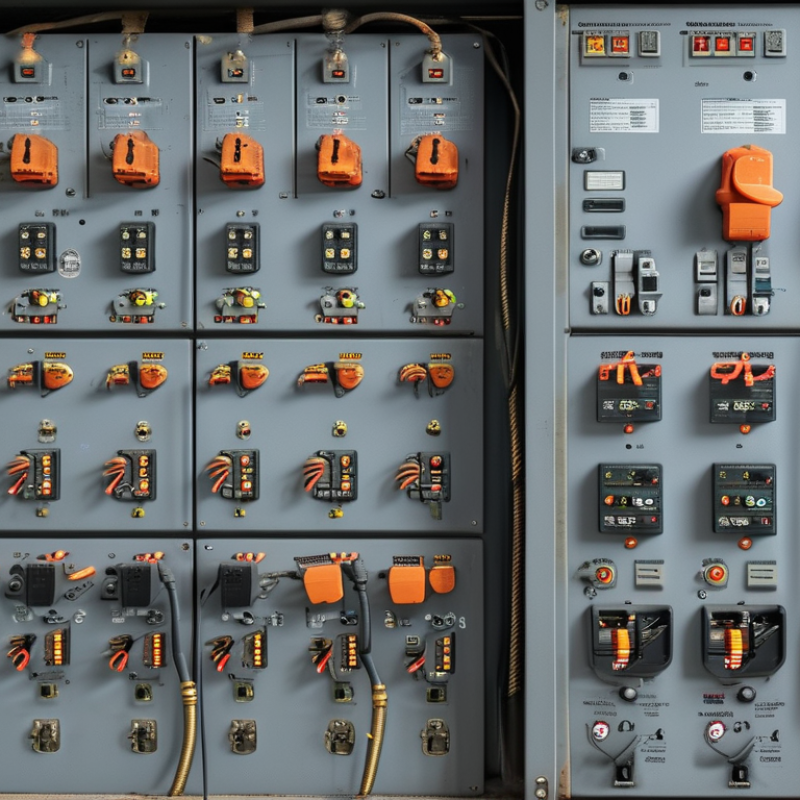
Understand Three-Phase Surge Protection Requirements
How to Choose a Three Phase Surge Protector?
Understand Three-Phase Surge Protection Requirements
Choosing a three-phase surge protector starts with the electrical system, not the product label. Confirm the line-to-line voltage, frequency, earthing arrangement, and available short-circuit current. A protector designed for a grounded wye system may be unsuitable for a delta system. The wrong configuration can leave one phase poorly protected. IEC 61643-11 provides the main performance framework for AC surge protective devices. Check its test classification and declared protection level before installation.
Power disturbances can create serious operational costs. Uptime Institute’s 2024 Annual Outage Analysis identifies power problems as a leading cause of impactful outages. The 2024 Cost of a Data Breach Report reports an average breach cost of US$4.88 million. Surge protection cannot prevent every outage, but it can reduce transient damage to switchgear, controls, and communication equipment. Select Type 1 protection where lightning current may enter the installation. Use Type 2 protection inside distribution boards. Compare maximum continuous operating voltage, nominal discharge current, impulse current, and voltage protection level. Lower protection voltage is generally better, but coordination still matters.
Tips: Keep lead lengths short and straight. Install protective bonding correctly. Verify backup power paths separately. A neat specification can still fail during maintenance. Recheck the earthing system after renovations, because the original design may no longer match the building.
Identify the System Voltage, Wiring, and Grounding Configuration
Choosing a three-phase surge protector starts with the electrical system, not the device cabinet. Record the nominal voltage, frequency, and maximum continuous operating voltage. A 400 V system is not automatically compatible with a 480 V protector. IEC 61643-11 requires the protector’s Uc rating to suit the system’s expected voltage and temporary overvoltage conditions. Check phase-to-phase and phase-to-neutral values separately. Small errors become expensive.
Then identify the wiring arrangement. Is the installation 3P+N, three-wire delta, grounded wye, or high-leg delta? The answer determines how many protection modes are required. A four-wire system usually needs phase-to-neutral and neutral-to-ground protection. A delta system may need phase-to-phase protection instead. Never trust an old panel label alone. Measure it, and review the single-line diagram. Uptime Institute’s 2024 Global Data Center Survey reported that 52% of respondents experienced an outage during the previous three years, showing why assumptions about power infrastructure deserve scrutiny.
Grounding is equally important. Inspect the protective earth conductor, bonding points, conductor length, and connection tightness. IEEE guidance emphasizes a low-impedance grounding path, not merely a low-resistance reading. Keep leads short and straight; sharp bends increase inductive voltage during a transient. NOAA recorded 28 billion-dollar weather and climate disasters in the United States during 2023, although that figure does not isolate lightning damage. It still signals a changing exposure environment. I would recheck the design after installation, because a technically correct protector can underperform on a weak or poorly bonded grounding system.
How to Choose a Three Phase Surge Protector?
Identify the system voltage, wiring, and grounding configuration before selecting the surge protective device.
Common Three-Phase System Voltages
The chart shows nominal line-to-line voltages used in common three-phase systems. The correct surge protector voltage rating must also match the actual line-to-neutral or line-to-ground voltage and the system grounding method.
| System Example | Wiring / Grounding | Nominal L-L Voltage | Typical L-N Voltage |
| 208Y/120 V | Grounded wye with neutral | 208 V | 120 V |
| 240 V Delta | Ungrounded or corner-grounded delta | 240 V | Configuration-dependent |
| 400Y/230 V | Grounded wye with neutral | 400 V | 230 V |
| 480Y/277 V | Grounded wye with neutral | 480 V | 277 V |
| 480 V Delta | Ungrounded or corner-grounded delta | 480 V | Configuration-dependent |
| 600Y/347 V | Grounded wye with neutral | 600 V | 347 V |
Confirm the nominal voltage, frequency, number of wires, neutral availability, and grounding arrangement from the electrical drawings or site measurements. The protector must provide the correct protection modes—line-to-line, line-to-neutral, and line-to-ground—without selecting an MCOV rating below the system’s maximum continuous operating voltage.
Select the Correct Surge Protector Type and Electrical Ratings
Choosing a three-phase surge protector starts with the electrical system, not the product label. Confirm the line-to-line voltage, frequency, grounding arrangement, and neutral configuration. A device for a 400 V TN-S system may be unsuitable for a 480 V IT network. Its continuous operating voltage, Uc or MCOV, must exceed the highest expected voltage. Otherwise, normal switching events may cause premature failure.
IEC 61643-11 separates surge protection into key test classes. Type 1 devices use the 10/350 μs impulse current test, which represents partial lightning current. Type 2 devices use the 8/20 μs test, commonly applied to induced lightning and switching surges. Type 3 protection is installed close to sensitive equipment. Choose the protector’s Iimp, In, and maximum discharge current according to the site exposure and the upstream protection system. Higher numbers are not automatically better. The voltage protection level, Up, must also remain below the equipment’s withstand rating.
For three-phase installations, select the correct pole arrangement: 3P, 3P+N, or a configuration required by the grounding system. IEC 61643-12 stresses coordinated protection, so cascading devices need suitable distance or decoupling. Short-circuit withstand rating and backup fuse coordination also matter. Field inspections often reveal another problem: long connecting cables. Every extra meter can increase residual voltage during a fast surge. I have seen technically correct devices underperform because installation details were treated as minor. That assumption deserves reconsideration. Check the latest IEC requirements, local codes, and the manufacturer-independent test report before approval.
Evaluate Protection Levels, Standards, and Installation Features
Choosing a three-phase surge protector starts with the electrical system, not the enclosure. Confirm the system voltage, earthing arrangement, and maximum continuous operating voltage (Uc). A protector with an unsuitable Uc may conduct continuously or fail prematurely. IEC 61643-11 evaluates surge protective devices using parameters such as nominal discharge current (In), maximum discharge current (Imax), and voltage protection level (Up). For many commercial panels, Type 2 devices use an 8/20 μs test waveform, while exposed installations may require Type 1 protection and the 10/350 μs waveform.
Protection level must match the site risk. IEEE C62.41.1 separates electrical environments by expected surge exposure, helping engineers assess incoming utility lines, internal switching, and nearby lightning activity. Check protection modes between phase-to-phase, phase-to-neutral, and phase-to-earth. A low Up value is desirable, but it should not replace proper coordination with downstream equipment. Sensitive controllers often need a second, coordinated SPD closer to the load.
Installation details decide whether the specifications work in practice. Keep connecting conductors short and straight; many field guides target less than 0.5 metres. Follow IEC 60364-4-44 and local electrical rules for backup overcurrent protection, conductor sizing, and separation from communication cables. Include a visible status indicator and a replaceable module where maintenance access is difficult. I have seen well-rated devices underperform because wiring loops added inductive voltage. That mistake is easy to miss. No protector compensates for poor bonding, weak earthing, or an ignored inspection schedule.
Verify Coordination, Maintenance Needs, and Long-Term Reliability
How to Choose a Three Phase Surge Protector?
A three-phase surge protector should coordinate with the entire electrical system, not operate alone. Check its maximum continuous operating voltage, voltage protection level, short-circuit rating, and discharge current. IEC 61643-11 provides testing requirements for low-voltage surge protective devices. However, laboratory compliance does not guarantee correct field coordination. Compare the protector with upstream devices, protective fuses, transformer ratings, and cable length. A poorly coordinated unit may disconnect too late or fail during repeated transients.
Maintenance affects long-term reliability. Select a device with clear status indicators, thermal disconnection, and replaceable modules when practical. Inspect connections for heat marks, loose terminals, corrosion, and moisture. Record every replacement and major surge event. Uptime Institute’s 2024 Global Data Center Survey reported that 54% of respondents experienced an outage costing over 100,000 dollars. That figure includes many causes, but it shows why preventive inspection matters. A status window can remain green while wiring conditions deteriorate. I have seen specifications look excellent on paper, yet installation details weakened performance.
Tips: Keep connecting leads short and straight. Confirm the earthing path before energizing. Review maintenance intervals annually. Use environmental ratings suitable for dust, humidity, and temperature. Do not rely on a single indicator. A practical choice balances tested performance, coordinated protection, service access, and documented inspection history. Reliability is built during installation and repeated maintenance.