What is a Damper Actuator and How Does it Work?
Damper Actuators play a crucial role in controlling airflow in various HVAC systems. According to a report by the American Society of Heating, Refrigerating and Air-Conditioning Engineers (ASHRAE), effective airflow management impacts energy efficiency and occupant comfort. The damper actuator allows for precise adjustments, improving system performance and saving energy.
A damper actuator operates by adjusting the position of dampers within ventilation systems. These devices enhance air control and can significantly reduce energy consumption. Reports indicate that proper actuator integration can lead to energy savings of up to 30%. However, not all systems utilize damper actuators effectively. Poor installation and maintenance may hinder performance.
Understanding the workings of a damper actuator is essential for HVAC professionals. Industry data suggests that many technicians overlook calibration. This lack of attention can lead to inefficiencies. Ensuring that these devices are well-maintained and correctly configured is vital for achieving optimal air regulation. That said, ongoing advancements in actuator technology pose challenges as well.
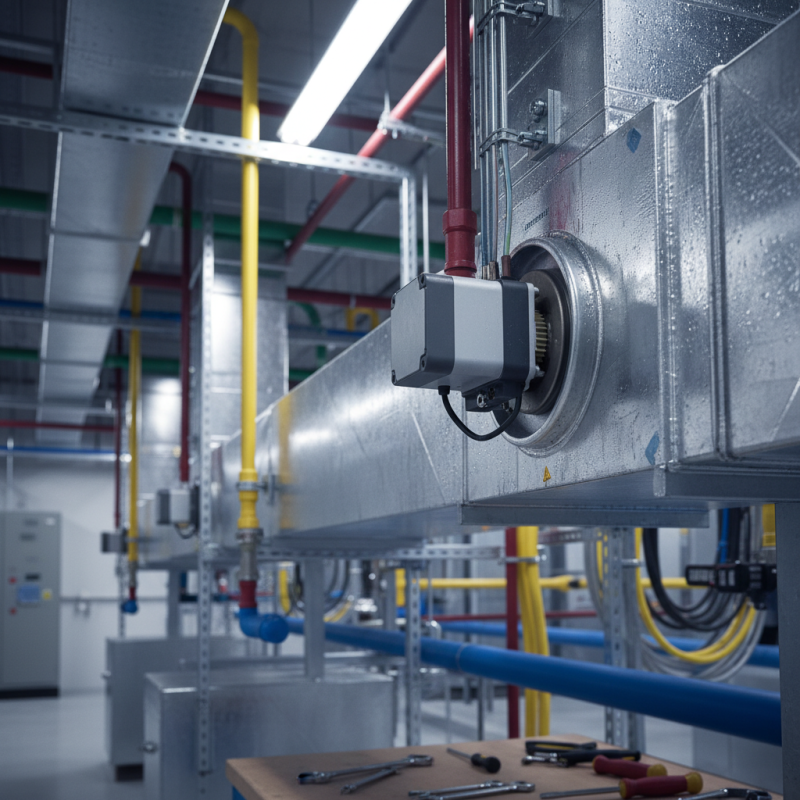
What is a Damper Actuator?
A damper actuator is a critical component in HVAC systems. It regulates airflow by opening or closing dampers in ductwork. Essentially, it acts as the muscle in the system, responding to commands from the control system. According to a recent market report, the global demand for damper actuators is expected to grow by 4.5% annually, reflecting their importance in energy efficiency.
Installation and maintenance of damper actuators can sometimes be complex. Incorrect installation may lead to inefficiencies. A survey showed that 20% of HVAC systems experience airflow issues due to improperly calibrated actuators. These misalignments can waste energy and increase operational costs. Regular maintenance is essential to ensure optimal performance, yet many users overlook it.
Different types of damper actuators exist, from electric to pneumatic. Each type has its advantages and disadvantages. Electric actuators offer precise control, while pneumatic ones are generally more reliable. The choice often depends on project-specific requirements. However, the lack of standardization in products can confuse managers. Without clear guidance, achieving the desired performance becomes challenging.
Types of Damper Actuators: Electric vs. Pneumatic
Damper actuators play a crucial role in HVAC systems. They control airflow in ducts and help maintain indoor comfort. Understanding the differences between electric and pneumatic damper actuators can aid in selecting the right option for your needs.
Electric damper actuators are powered by electricity. They offer precise control and quick response times. These actuators are easy to install and maintain. However, they may be more sensitive to power outages. You need to ensure a backup power source.
Pneumatic damper actuators use compressed air. They are often more robust and can handle harsh environments. While they are reliable, the system requires regular maintenance to avoid air leaks. Consider the environment and installation costs when choosing between the two.
Tips: Always check the actuator's compatibility with your existing system. Regular maintenance will prolong the actuator's lifespan. If you are unsure, consulting with a professional is wise, as improper installation can lead to inefficiencies.
How Damper Actuators Function in HVAC Systems
Damper actuators play a crucial role in HVAC systems. They control the airflow through ducts, ensuring optimal heating and cooling. A well-functioning damper actuator helps maintain indoor air quality and energy efficiency. Recent studies indicate that buildings can save up to 20% in energy costs when equipped with these systems.
The operation of damper actuators is both simple and effective. They are typically connected to a series of motors that open or close dampers based on temperature readings. This allows for precise adjustments in airflow. However, not all installations achieve maximum efficiency. Some installations overlook necessary calibrations, leading to uneven airflow distribution.
In practice, predictive maintenance can enhance their performance. An estimated 30% of HVAC issues stem from improper actuator function. Regular checks can identify early signs of wear. By monitoring actuator response, facilities can improve comfort and reduce energy waste. Attention to detail in installation and maintenance is essential to harnessing their full potential.
Applications of Damper Actuators in Building Automation
Damper actuators are crucial in building automation. They control airflow within HVAC systems, ensuring efficiency. According to a report by the American Society of Heating, Refrigerating and Air-Conditioning Engineers (ASHRAE), optimized airflow can improve energy efficiency by up to 30%. This is significant for both environmental impact and cost savings.
In commercial buildings, damper actuators play a key role in optimizing ventilation. They adjust dampers in response to changing conditions, which enhances indoor air quality. Poorly functioning actuators can lead to inadequate ventilation. A study by the National Institute of Standards and Technology found that 40% of air quality issues stem from ineffective duct systems.
Additionally, they enable automated control in smart buildings. This technology allows for a more responsive environment, adapting in real-time. However, installation errors can reduce effectiveness. According to the Building Performance Institute, 25% of smart building systems fail to meet their intended energy savings. This highlights the importance of correct integration and ongoing monitoring. Damper actuators, despite their simplicity, require careful handling in automation systems.
Maintenance and Troubleshooting of Damper Actuators
Damper actuators are vital in HVAC systems. They control airflow in buildings. Regular maintenance is crucial for their longevity and efficiency. According to a report by the U.S. Department of Energy, poorly maintained actuators can lead to a 30% decrease in system efficiency. This not only affects comfort but also increases energy costs.
Routine checks are essential. Inspect connections and wiring for wear. Lubricate moving parts to ensure smooth operation. A report from the American Society of Heating, Refrigerating, and Air-Conditioning Engineers (ASHRAE) states that routine maintenance can reduce breakdowns by up to 50%. When issues arise, troubleshooting is key. Look for signs like unusual noises or failure to open or close correctly. These can indicate mechanical problems or electrical failures.
Monitoring actuator performance is critical. Regular data logging can help identify trends. A decline in performance may suggest the need for recalibration or replacement. Not addressing these signs could lead to system failures. Ultimately, proactive maintenance prevents larger, costly issues down the line. Regular attention to damper actuators ensures they operate smoothly and efficiently.
Damper Actuator Performance Analysis
This chart illustrates the performance metrics of damper actuators, focusing on their torque output (in Nm) and response time (in seconds) across different operational conditions. The data signifies the importance of regular maintenance in optimizing performance.