China Best Three Way Valve Manufacturers How to Choose?
Choosing among China’s best Three Way Valve manufacturers requires more than comparing prices or polished product photographs. A valve may look identical on paper, yet perform differently under heat, pressure, vibration, and repeated cycling. The real decision begins with process details: media type, port configuration, flow rate, pressure class, temperature range, leakage requirements, and actuator control. Small omissions can create expensive failures.
Greg McMillan, a respected process-control expert, has stated, “The control valve is the final control element in the loop.” That reminder matters here. A Three Way Valve must respond accurately, not merely connect three pipes. Reliable manufacturers should provide material certificates, pressure-test records, dimensional drawings, calibration data, and traceable quality procedures. Their engineers should also explain how the valve handles mixing, diverting, shutoff, and abnormal operating conditions. Ask for evidence, not promises.
Factory experience deserves attention. Inspect machining quality, seat finishing, welding control, assembly cleanliness, and spare-parts availability. Request references from applications resembling yours. A supplier serving water systems may not understand demanding steam, chemical, or thermal-oil service. Certification can support trust, but it cannot replace technical verification. No checklist is perfect. Even experienced buyers sometimes focus too heavily on unit cost and overlook lifecycle expenses. A cheaper valve can bring unstable control, difficult maintenance, or early replacement. This guide examines how to compare China Three Way Valve manufacturers through engineering capability, manufacturing consistency, documentation, testing, customization, communication, and long-term support. The best choice is not always the largest factory. It is the supplier that can prove suitability for your actual process.
What Is a Three-Way Valve and Where Is It Used?
What Is a Three-Way Valve and Where Is It Used?
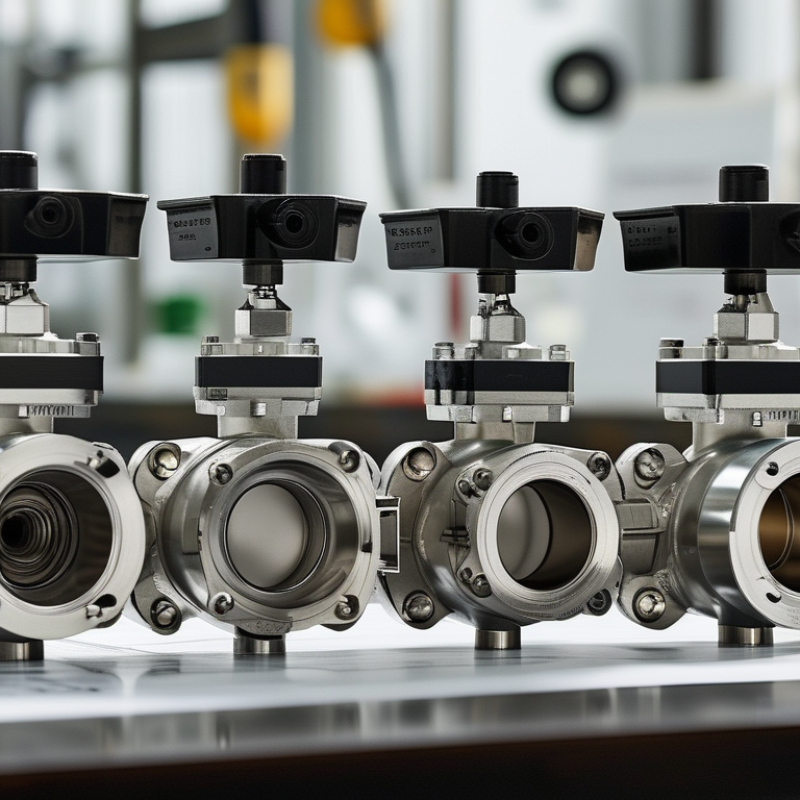
A three-way valve controls fluid through three connected ports. It can mix two streams into one outlet or divert one stream toward two outlets. The internal plug, ball, or disc changes the flow path as it moves. Some models operate manually, while others use pneumatic or electric actuators. Flow direction matters.
In heating and cooling systems, three-way valves regulate water temperature and protect equipment from sudden thermal changes. A mixing valve can combine hot and return water before it reaches a heat exchanger. A diverting valve can send water to a radiator, bypass line, or storage tank. These valves also appear in water treatment, process piping, boilers, and temperature-control equipment.
Selection requires more than checking the pipe size. Engineers should confirm pressure, temperature, fluid compatibility, flow rate, and the required control range. The valve body may use stainless steel, brass, or other suitable materials. The actuator should match the control signal and fail-safe requirement. During installation, technicians must follow the flow arrows and inspect for leakage after commissioning.
A common mistake is choosing a valve by size alone. That approach can cause noise, unstable temperature, or poor control. A technically suitable valve may still perform badly in the wrong system. The calculation is not always perfect. Operating conditions can change, so maintenance records and real site measurements deserve attention when evaluating manufacturers and valve designs.
What Is a Three-Way Valve and Where Is It Used?
A three-way valve has three ports and is commonly used in two flow arrangements.
In a mixing arrangement, two inlet streams combine into one outlet stream.
In a diverting arrangement, one inlet stream is directed toward two outlet streams.
These configurations are widely used in HVAC systems, hydronic heating and cooling, process control, and fluid distribution.
Which Types of Three-Way Valves Meet Your Application Needs?
Choosing the right three-way valve starts with the application, not the supplier’s catalog. A mixing valve combines two flows into one outlet. A diverting valve splits one inlet into two paths. An L-port design suits simple flow selection. A T-port design supports broader routing, but it may allow unwanted crossover.
For chilled-water systems, a modulating globe valve offers accurate control at changing loads. Rotary ball valves usually provide compact installation and lower operating torque. Butterfly valves can suit larger pipes, where weight and space matter. The IEA reports that buildings consume about 30% of global final energy. Therefore, poor valve authority can increase pump and cooling energy. Pipe size alone is not enough.
Process plants need a harder review. Check media temperature, pressure, viscosity, corrosion risk, and required leakage class. Sanitary service may require polished wetted surfaces and drainable geometry. Ask manufacturers in China for material certificates, pressure-test records, actuator cycle data, and traceable inspection reports. ISO 15848 guidance is useful for fugitive-emission evaluation. Still, certificates do not replace a witnessed test.
A neat selection table can mislead. I have seen valves pass bench tests but hunt during field commissioning. Calculate the control range, verify actuator fail position, and test the actual fluid when possible. The U.S. Department of Energy’s Buildings Energy Data Book identifies HVAC as a major commercial energy load. Small control errors can become large operating costs. Choose the valve type that matches the system’s real behavior, not only its nominal flow rate.
How to Evaluate Chinese Three-Way Valve Manufacturers
How to Evaluate Chinese Three-Way Valve Manufacturers
China’s valve sector serves chemical, water treatment, HVAC, and energy projects worldwide. MarketsandMarkets’ 2024 Industrial Valves Market report estimates growth from about USD 78.7 billion in 2024 to USD 103.9 billion by 2029. This expansion creates more choices, but quality varies. Evaluate manufacturers through production evidence, not catalog claims. Request material certificates, pressure-test records, dimensional reports, and batch traceability. Confirm whether testing follows ISO 5208 and whether designs align with ASME B16.34 where applicable. A capable factory should explain body materials, seat options, torque limits, and leakage classes clearly.
Tips: Audit one production line if possible. Check machining surfaces, assembly cleanliness, and calibration labels. Ask for a recent test sample, not an edited video. Review at least three years of delivery records and complaint handling. Speak with technical staff, not only sales personnel. Their answers often reveal practical experience. Also compare lead times against actual capacity. A very short promise may signal weak planning.
A reliable supplier should support prototype testing and field feedback. Ask how it investigates stem wear, actuator mismatch, or seat damage after installation. Independent inspection can verify pressure, materials, and documentation before shipment. Certifications help, but they do not replace process control. I have seen polished facilities with incomplete records. That detail matters. No checklist is perfect; final evaluation should combine documents, factory observations, sample testing, and communication quality.
What Quality, Certification, and Customization Factors Matter?
Choosing among China’s best three-way valve manufacturers requires more than comparing prices.
Quality begins with the valve’s body material, machining accuracy, seal performance, and pressure rating. Ask for material certificates, dimensional records, and pressure-test results for each production batch. A reliable supplier should explain leakage standards clearly, not hide behind general claims. Factory audits and sample inspections reveal details that brochures often miss.
Certification must match your application and destination market.
ISO 9001 can indicate controlled processes, but it does not prove every valve performs correctly. Request valid certificates, test scopes, and traceable serial numbers. For regulated systems, confirm applicable pressure, electrical, and environmental requirements before ordering. I have seen polished documents create false confidence. The certificate looked correct, yet the test range did not match the actual working pressure.
Customization should start with operating data, not a preferred product drawing.
Share the medium, temperature, pressure, flow direction, connection size, actuator needs, and installation space. A capable engineering team can suggest suitable alloys, seat materials, control signals, and mounting options. Request a drawing for approval and a sample under real operating conditions. Small errors matter. A port orientation off by a few degrees can delay installation and increase labor costs. Allow room for design review, because the first specification is rarely perfect.
How to Compare Prices, Service, and Long-Term Supplier Value
Choosing among China’s best three-way valve manufacturers requires more than comparing unit prices. A low quotation may exclude testing, packaging, spare parts, or export documentation. Request a detailed quotation with material grades, pressure ratings, actuator options, delivery terms, and warranty coverage. Compare identical specifications, not attractive numbers.
Service quality often appears after the purchase.
Ask how quickly engineers answer technical questions. Check whether the supplier provides drawings, installation guidance, inspection records, and replacement parts. A capable manufacturer should explain valve selection clearly, including flow direction, temperature limits, sealing materials, and operating cycles. Factory audits, sample testing, and traceability records can reveal more than a polished website. Small details matter.
Long-term supplier value includes stable quality and predictable communication. Review production capacity, quality-control procedures, export experience, and customer references from similar applications. Calculate the total cost over several years, including maintenance, downtime, energy use, and emergency shipping. The cheapest valve is not always economical. I have seen purchasing teams focus too heavily on the first invoice and overlook delayed support. That approach needs reflection. No supplier evaluation is perfect, either. A trial order, clear acceptance criteria, and periodic performance review reduce avoidable risk. Choose a manufacturer that documents problems honestly and improves its process, rather than one promising perfection.