Why is a Cabin Filter Important for Your Car Maintenance?
A well-functioning Cabin Filter is crucial for maintaining vehicle air quality. Automotive experts emphasize its importance. According to a report by the Automotive Aftermarket Suppliers Association, nearly 40% of drivers neglect cabin filter replacement. This oversight can lead to increased allergens and pollutants inside the car.
Dr. Emily Carter, an automotive air quality specialist, states, "A clean cabin filter ensures that passengers breathe healthier air." This reflects the growing concern about indoor air pollution. Without regular maintenance, filters can become clogged, hindering airflow and reducing overall system efficiency.
A dirty cabin filter can also lead to unpleasant odors and reduced cabin comfort. Studies reveal that many drivers do not replace their filters as often as recommended. This can result in an unsafe environment. Regular inspection and replacement can improve air quality significantly, yet it remains an often-overlooked task.
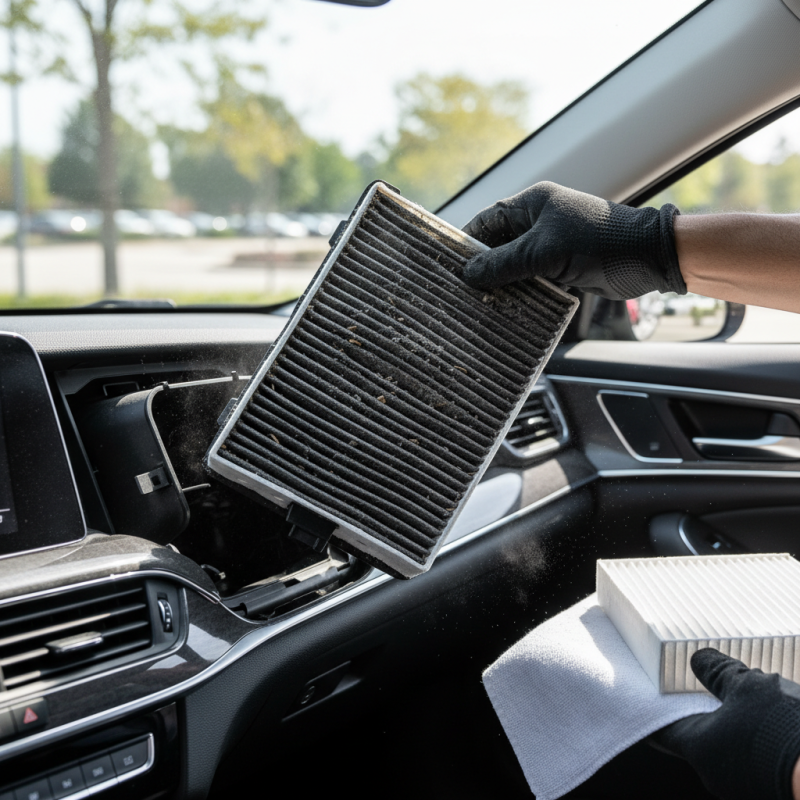
Importance of Cabin Filters in Vehicle Maintenance
Cabin filters play a crucial role in vehicle maintenance. They keep the air inside your car clean and fresh. Dust, pollen, and other pollutants can enter through the ventilation system. A good cabin filter catches these particles, improving air quality. When the filter is clogged, airflow decreases, leading to discomfort. You might notice musty smells or increased allergens inside the car.
Regularly replacing the cabin filter is often overlooked. Many drivers forget this simple task. As a result, they may experience health issues, like allergies or respiratory problems. It’s essential to check the filter every few months. If it's dirty, you should change it to maintain a pleasant driving environment. Neglecting this maintenance can lead to a buildup of contaminants, affecting your well-being.
In urban areas, the need for a clean cabin filter is even greater. Traffic can increase the level of pollutants in the air. Without a functional filter, these pollutants can permeate your car. It’s a small part of your vehicle, yet it has a significant impact. Remember, clean air enhances your driving experience.
Functionality of Cabin Filters and Their Role in Air Quality
Cabin filters are vital for maintaining clean air inside your vehicle. They capture dust, pollen, and other pollutants. A report by the Environmental Protection Agency states that indoor air can be up to five times more polluted than outdoor air. Therefore, a functioning cabin filter is essential for your car's environment.
When your cabin filter is clogged, it can cause issues. It may reduce airflow. This can lead to discomfort during drives. Poor air quality might also affect your health. According to the World Health Organization, air pollution can lead to respiratory diseases. Keeping your cabin filter clean helps prevent these risks.
Tip: Regularly check your cabin filter every 12,000 to 15,000 miles. If you notice reduced airflow or bad odors, replace it sooner. Always consult your vehicle’s manual for specific maintenance guidelines. Ensure you are proactive about your air quality.
Signs Indicating Cabin Filter Needs Replacement
A cabin filter is crucial for maintaining clean air inside your car. It helps remove dust, pollen, and pollutants. Over time, the filter can become clogged. This can lead to a variety of problems.
One clear sign it needs replacement is reduced airflow. If you notice that the air is not blowing as strongly, it may be time for a change. Strange odors can also indicate an issue. Musty or unpleasant smells often signal that the filter is dirty or damaged. Pay attention to any breathing difficulties too. If you or your passengers are sneezing more than usual, check the filter.
Tips: Regularly inspect your cabin filter every few months. If you're driving in dusty areas, consider changing it more often. Always follow the guidelines given in your vehicle manual. Don’t ignore that sounds from the ventilation system. Unusual noises can mean debris is stuck in the filter. Being proactive can save you from future headaches.
Importance of Cabin Filter Replacement
Regular replacement of the cabin filter is crucial for maintaining air quality inside your vehicle. Over years of ownership, the frequency of replacements tends to increase due to buildup of dust and particles, affecting both air flow and passenger comfort.
Steps to Inspect and Replace Your Cabin Filter
A cabin filter plays a key role in your car maintenance. It traps dust, pollen, and pollutants. This keeps the air inside your vehicle clean. Regularly inspecting your cabin filter is essential for your health and comfort.
To inspect your cabin filter, locate it according to your car’s manual. Often, it's behind the glove compartment or under the dashboard. Remove it carefully. Check for dirt or damage. If it looks clogged, it's time for a replacement. Make sure the new filter fits well to avoid leaks.
Tips for replacing your cabin filter include wearing gloves. This helps keep oils from your hands away. Also, take a photo of the old filter positioning. This can guide you in properly placing the new filter. Remember, a dirty filter can reduce airflow. It can also lead to unwanted odors. Regular maintenance saves you from bigger issues.
Always use caution when working under the dash. Some components can be sharp. Check on your filter at least once a year. It’s a small effort for a big improvement in your driving experience.
Why is a Cabin Filter Important for Your Car Maintenance? - Steps to Inspect and Replace Your Cabin Filter
| Dimension | Details |
| Function | Filters pollen, dust, and other pollutants from air entering the cabin |
| Impact of a Dirty Filter | Can lead to poor air quality, decreased HVAC efficiency, and potential health issues |
| Inspection Frequency | Every 12,000 to 15,000 miles or at least once a year |
| Signs of a Clogged Filter | Reduced air flow, musty odors, increased dust in the cabin |
| Replacement Steps | 1. Locate the cabin filter access panel
2. Remove the old filter
3. Install the new filter with correct airflow direction |
| Recommended Filter Type | HEPA filters for maximum allergen filtration |
Benefits of Regular Cabin Filter Maintenance for Drivers
A cabin filter plays a crucial role in your vehicle's air quality. It removes dust, pollen, and pollution from the air entering your cabin. This is particularly important for drivers with allergies or respiratory issues. Imagine driving through a fog of dust or pollen without any filtration. It can make your journeys uncomfortable and even hazardous.
Regular maintenance of your cabin filter offers several benefits. A clean filter improves air flow. This enhances the efficiency of your heating and cooling systems, making your cabin a more pleasant space. Additionally, it can reduce odors. Old filters often trap unpleasant smells, making your drive less enjoyable.
Neglecting the cabin filter can lead to more significant issues. Reduced air quality affects your health and comfort. Dirty filters may cause your HVAC system to work harder, leading to expensive repairs. Monitoring this small yet important component can save you from future inconveniences. It's not just about clean air; it’s about a better driving experience.