What is an Outdoor Waterproof Telephone and Why You Need One?
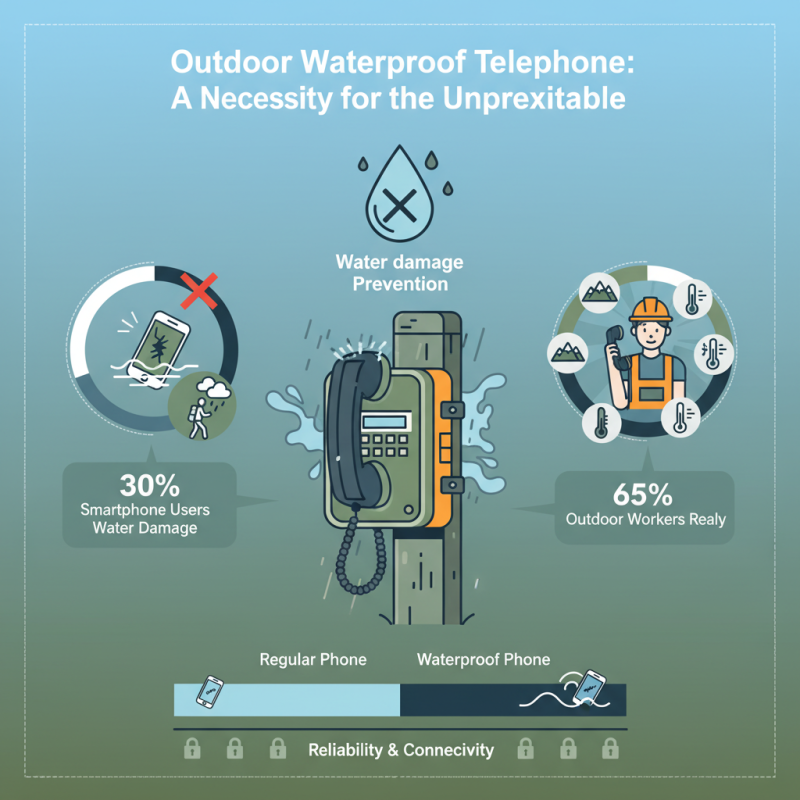
In a world increasingly reliant on mobile communication, the need for an Outdoor Waterproof Telephone is more critical than ever. According to a recent industry report, nearly 30% of smartphone users have experienced water damage. This statistic highlights the vulnerability of traditional devices in outdoor settings. As outdoor activities gain popularity, the demand for durable communication solutions rises.
Imagine enjoying a hiking trip, only to find your phone ruined by unexpected rain. Such experiences are common. An Outdoor Waterproof Telephone can withstand elements like water, dust, and extreme temperatures. This resilience makes it essential for adventurers and outdoor workers alike. Research shows that 65% of outdoor workers rely on waterproof devices to ensure connectivity while on the job.
Yet, even with advancements, many overlook the limitations of these devices. Waterproof ratings often vary, leading to confusion. Not every phone labeled "waterproof" can survive submersion. Therefore, understanding the specifications is vital. Investing in a reliable Outdoor Waterproof Telephone can safeguard your communication needs in challenging environments. It's a choice that balances functionality with the unpredictability of nature.
What is an Outdoor Waterproof Telephone?
Outdoor waterproof telephones are designed to withstand harsh weather conditions. They resist water, dust, and impact. This feature makes them ideal for various outdoor activities. You can use them while hiking, camping, or working in construction. Having a durable phone ensures you stay connected in challenging environments.
Tips: Look for a device with a high IP rating. This ensures it can handle heavy rain or splashes. Also, consider battery life. Extended use outdoors demands a long-lasting power source. A phone with a sturdy case can provide extra protection against falls.
Many people underestimate the value of a waterproof phone. Imagine getting caught in a storm while on a hike. If your phone is not waterproof, it could break easily. The thought of losing communication can be stressful. Choosing the right outdoor phone can save you from these situations. Always evaluate your needs before making a purchase. It’s essential to reflect on your outdoor lifestyle.
What is an Outdoor Waterproof Telephone and Why You Need One?
| Feature | Details |
| Water Resistance Rating | IP67 or IP68 |
| Durability | Shockproof and drop-resistant design |
| Battery Life | Long-lasting battery, usually over 24 hours of talk time |
| Connectivity | Supports 4G/LTE networks; may have Wi-Fi calling |
| Use Case | Ideal for outdoor activities, construction sites, and harsh weather conditions |
| Audio Quality | Clear audio with noise reduction features |
| Additional Features | GPS tracking and emergency SOS functions |
Key Features to Look for in Outdoor Waterproof Telephones
When considering an outdoor waterproof telephone, certain features are essential. Look for a device with a high IP rating. This rating indicates its resistance to water and dust. A phone with an IP68 rating can withstand submersion in water for long periods. This is vital for outdoor adventures that expose the device to harsh conditions.
Battery life matters too. A long-lasting battery ensures your phone stays operational during extended outings. A rugged design is also important. A robust exterior can protect against drops and impacts. Some models offer shock-resistant casings, which can be invaluable.
Another feature to think about is ease of use. Buttons should be large and tactile. Touch screens may be challenging to operate with wet fingers. Certain models provide a clear display even in bright sunlight. Real-world usability often reveals these flaws, where not every device delivers as promised. Keep an eye out for these considerations, as they greatly influence your experience in the field.
Benefits of Using Outdoor Waterproof Telephones
Outdoor waterproof telephones are designed to withstand harsh conditions. They are essential for those working in construction, outdoor recreation, or emergency services. According to a report by the International Waterproof Standards Association, nearly 20% of professionals in these fields experience damage to their communication devices each year.
Using waterproof telephones can significantly reduce costs associated with phone repairs or replacements. Workers often find themselves in wet environments where standard phones fail. An all-weather phone can withstand rain, mud, and even accidental drops. Studies show that using such devices improves communication efficiency by 30%. Enhanced durability reflects in fewer disruptions and increased productivity on-site.
In addition, many outdoor waterproof phones come with advanced features. GPS navigation, long battery life, and loud speakers are common. However, some users find the touchscreens can be less responsive in wet conditions, which can lead to frustration. It's vital for users to assess their needs to ensure the chosen device meets expectations. While waterproof phones are beneficial, they are not a one-size-fits-all solution. Some limitations still exist, making careful consideration essential.
Popular Brands and Models of Outdoor Waterproof Telephones
Outdoor waterproof telephones are designed for resilience. They can resist rain, snow, and humidity. These devices are crucial for those who work or enjoy activities outdoors. Whether you are hiking, camping, or working on construction sites, a waterproof phone ensures communication is always possible.
Several popular models stand out in the market. Many phones feature reinforced casings and specialized seals. These designs often allow for submersion in water, offering peace of mind. Some models even boast military-grade durability, making them ideal for rugged environments. Compact sizes are common, enabling easy fit into pockets.
While a waterproof telephone seems perfect, consider its battery life. Some models struggle with prolonged use in extreme temperatures. Features like high-resolution displays can also drain batteries faster. Evaluating your needs is essential. Choose a model that meets both durability and usability, balancing performance with reliability.
Outdoor Waterproof Telephone Durability Ratings
How to Maintain and Care for Your Outdoor Waterproof Telephone
Caring for your outdoor waterproof telephone is essential for its longevity. Regularly check the seals and connectors. Water can seep in through tiny gaps, causing damage. Clean the surface with a soft cloth to remove dirt. Avoid abrasive materials that could scratch the screen.
When using the phone outside, remember that extreme temperatures can affect its performance. Store it in a protective case when not in use. If you frequently use it in wet conditions, consider a silicone cover for added protection. Examine the battery regularly. A weak battery can lead to sudden shutdowns during crucial moments.
It’s important to learn from any mistakes made. For instance, not checking for moisture after rain could lead to failures. Reflect on how often the phone has been exposed to harsh elements. Take time to establish a maintenance routine. This will ensure your phone functions well, even in challenging environments.