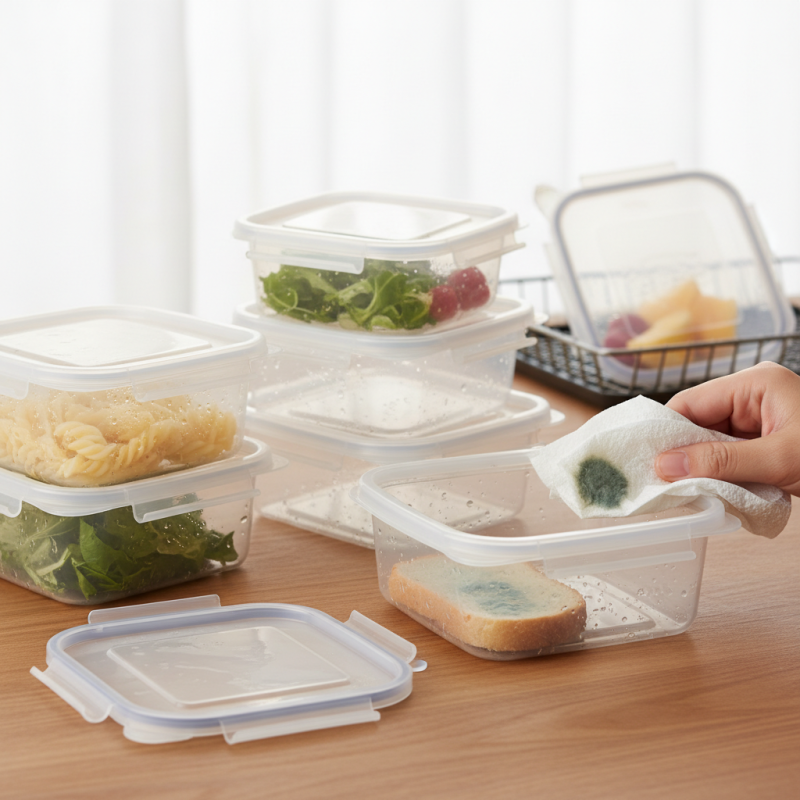
How to Prevent Mold in Disposable Food Containers?
Mold can be a frustrating issue in disposable food containers. Many people don't realize how easily Disposable Food Container Mold can form. Even a small amount of moisture can lead to mold growth. This is especially true when food is stored for longer periods.
It’s crucial to address mold prevention early on. Choosing the right containers and ensuring proper storage can make a big difference. Always make sure the container is clean before use. Even tiny bits of food left behind can attract mold.
Additionally, remember to store food at the right temperature. Containers should not be damp or wet when sealed. This might seem obvious, but many overlook it. Small changes in how we handle food can lead to better results. Take a moment to think about your habits. Reflecting on them can help prevent future mold issues.
Understanding Mold Growth in Disposable Food Containers
Mold thrives in damp, warm environments. Disposable food containers can provide perfect breeding grounds. Many people overlook how food residue can linger inside these containers. Even the tiniest crumb or drop can be enough to attract mold. It's crucial to clean containers thoroughly after each use.
When food is left in containers for too long, mold can develop quickly. The lack of ventilation in sealed containers accelerates this process. Some people might think that simply rinsing containers is enough. However, residual moisture can remain, contributing to mold growth. It’s essential to dry containers completely before storing them. This minor step can make a big difference.
Sometimes, even the best efforts aren’t foolproof. Mold can find ways to appear despite careful cleaning. Factors like humidity and temperature also play roles. If your home is humid, consider using airflow strategies. Place containers in well-ventilated areas. Regular checks can help catch mold before it takes hold. Staying vigilant is key.
Choosing the Right Disposable Food Containers for Safety
When choosing the right disposable food containers, safety should be your top priority. Look for containers made from BPA-free materials. This helps reduce risks associated with harmful chemicals. Clear containers allow you to see the contents easily. This way, you can identify spoiled food at a glance.
Consider the container's seal as well. A tight-fitting lid can prevent contamination. Even a small gap can invite moisture and mold growth. Containers designed for single use can be beneficial, but be mindful of how you reuse them. Improper cleaning can lead to bacterial buildup.
Inadequate storage conditions can also compromise safety. If food is stored in warm, humid areas, mold thrives. Always store your containers in a cool, dry place. Observing these details can help you maintain food safety and keep mold at bay. Remember, vigilance in storage is just as crucial as the quality of your containers.
Proper Cleaning Techniques for Mold Prevention
Keeping your disposable food containers clean is essential to prevent mold. Mold can develop quickly in warm and moist environments. After use, it's crucial to clean containers thoroughly. An effective method involves using warm soapy water. Scrub all surfaces, including the lids, which often get overlooked. Rinse well to remove all soap residue.
Air drying is vital. Avoid stacking containers while they are still damp. Stacking can trap moisture, creating an ideal environment for mold. If you notice any stubborn stains, a mixture of vinegar and baking soda can serve as an effective natural cleaner. Let it sit for a few minutes, scrub, and rinse.
It's easy to forget about proper storage. Containers should be kept in a cool, dry place. Don’t expose them to humid conditions, as this can promote mold growth. Regularly check for any signs of mold, especially if you've not used the containers for a while. This simple step can help avoid unpleasant surprises later on.
Storing Disposable Food Containers to Minimize Mold Risk
When it comes to storing disposable food containers, the key is to find the right environment. Most mold spores thrive in moisture-laden areas. Research shows that restricting humidity levels to below 60% can drastically reduce mold growth. Therefore, keeping disposable containers in a cool, dry place is essential. Use airtight bins for additional protection against humidity.
It's crucial to clean and dry your containers before storage. Any leftover food residue can become a breeding ground for mold. In fact, a study found that food remnants can increase the likelihood of mold by nearly 50%. After washing your containers, ensure they are thoroughly dry. A small damp spot could create an inviting environment for mold.
Regularly inspect your containers for signs of mildew or odors. If you notice any mold, it’s vital to discard the container. Remember, mold growth isn't always overt. Sometimes, it's hidden in crevices. Take time to conduct periodic checks. With proper storage and a little reflection, you can significantly reduce the chances of mold growth in your disposable food containers.
Preventing Mold in Disposable Food Containers
This bar chart illustrates the effectiveness of various storage practices in reducing mold risk in disposable food containers. The data represents the percentage of mold growth observed under different conditions over a period of one month.
Regular Inspection and Maintenance of Food Containers
Maintaining disposable food containers is crucial in preventing mold growth. Regular inspection is key. Check your containers for any signs of wear or damage. Look for tiny cracks or scratches. Mold loves hiding in these small imperfections.
Washing is important, but it’s not enough. Even after cleaning, moisture might remain inside. This is where mold thrives. Make it a habit to dry your containers completely. Use a towel or air dry them upside down. It seems simple, but many overlook this step.
Storage matters, too. Keep your containers in a cool, dry place. Avoid humid environments. Mold spores can still lurk around, waiting for the right moment. If you notice any mold, dispose of the container immediately. It’s better to be safe than sorry. Regularly assessing your containers can prevent a bigger problem later.
How to Prevent Mold in Disposable Food Containers? - Regular Inspection and Maintenance of Food Containers
| Dimension | Details |
| Material Type | Polypropylene, Styrene, and Other Plastics |
| Temperature Range | -20°C to 120°C |
| Inspection Frequency | Every Month |
| Cleaning Method | Warm Soapy Water and Rinse |
| Recommended Storage | Cool, Dry Place Away from Direct Sunlight |
| Signs of Mold | Visible Growth, Smell, Staining |
| Disposal Recommendation | Dispose immediately upon signs of contamination |