Essential Tips for Purchasing Stainless Steel Sheet Coil Today?
Purchasing a Stainless Steel Sheet Coil can be a daunting task for many. With various grades, finishes, and dimensions available, making the right choice is essential. Ensuring the quality of the stainless steel is critical. The grade you choose determines durability and corrosion resistance. It’s important to understand that not all coils serve the same purpose. Knowing your specific requirements will help streamline the selection process.
When exploring options, consider suppliers with a strong reputation. Check for certifications and customer reviews. This adds a layer of reliability to your purchase. A trusted supplier provides transparency about material sourcing. Asking questions is not only acceptable; it is necessary. You must feel confident that you are making an informed decision.
Moreover, think about the practical applications of the coil. How will you use it? Will it resist harsh conditions? Each detail matters when it comes to purchasing such materials. Reflecting on your project's needs can reveal insights that influence your final decision. Investing time in research can lead to better long-term results.
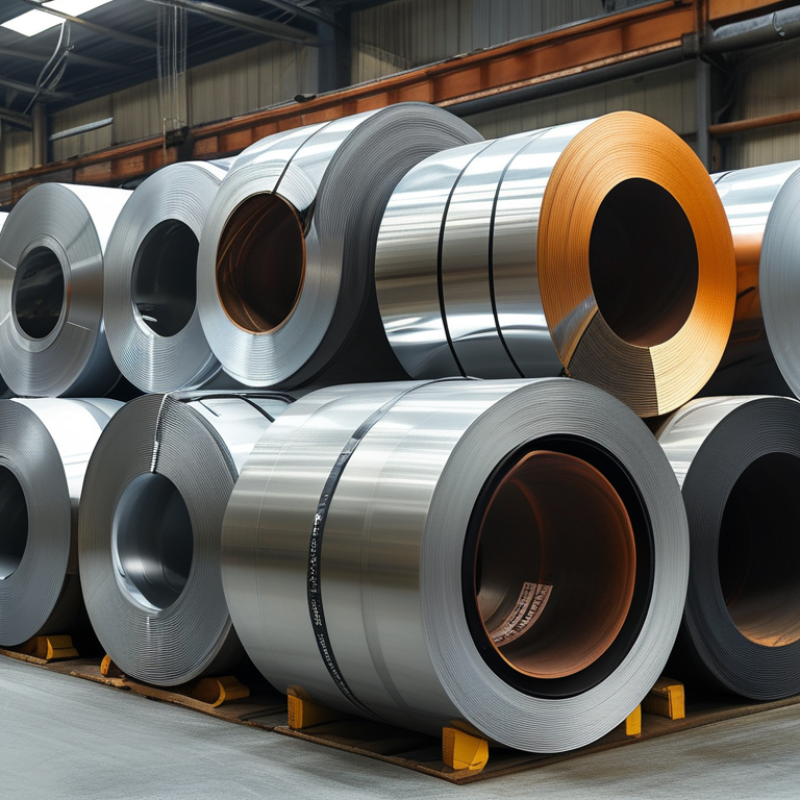
Understanding Stainless Steel Sheet Coil Specifications
When selecting stainless steel sheet coils, understanding the specifications is crucial. Look for the grade of stainless steel, such as 304 or 316, which affects corrosion resistance and strength. According to the International Stainless Steel Forum, 304 stainless steel accounts for approximately 50% of global stainless steel production. This high demand reflects its versatility in various applications, from kitchen equipment to construction.
Thickness is another key aspect. Common gauges range from 16 to 24, depending on the intended use. In industrial settings, a thicker gauge ensures durability under heavy loads. The width of the coil can vary, typically between 30 and 60 inches, influencing how much material is usable for your specific project. As per recent market reports, the stainless steel sheet coil market is anticipated to grow by 5.5% annually, emphasizing its ongoing relevance in modern manufacturing.
Surface finish is equally important. Common finishes include 2B, No. 4, and mirror polish. Each finish serves a different aesthetic and functional purpose. Manufacturers often underestimate how surface treatment impacts both appearance and hygiene. Careful consideration of these specifications can lead to better purchasing decisions.
Essential Tips for Purchasing Stainless Steel Sheet Coil Today? - Understanding Stainless Steel Sheet Coil Specifications
| Specification | Description | Typical Applications | Thickness Range (mm) | Width Range (mm) |
| 304 Stainless Steel | General-purpose stainless steel with good corrosion resistance. | Kitchen appliances, food processing equipment. | 0.5 - 25.0 | 600 - 1500 |
| 316 Stainless Steel | Superior corrosion resistance, especially against chlorides. | Marine applications, chemical processing. | 0.5 - 20.0 | 600 - 1500 |
| 430 Stainless Steel | Good corrosion resistance with a magnetic property. | Automotive trim, appliance parts. | 0.3 - 12.0 | 600 - 1200 |
| Duplex Stainless Steel | Combination of austenitic and ferritic stainless steel for strength. | Oil and gas, power generation. | 0.5 - 25.0 | 600 - 1500 |
| Ferritic Stainless Steel | Good corrosion resistance and formability. | Exhaust systems, structural applications. | 0.4 - 15.0 | 600 - 1200 |
Factors to Consider When Choosing Stainless Steel Sheet Coils
When selecting stainless steel sheet coils, several factors demand close attention. The grade of stainless steel is crucial. Grades like 304 and 316 offer different corrosion resistance. According to industry data, 304 steel is commonly used in food and beverage applications due to its hygienic properties. Meanwhile, 316 is favored in marine environments where saltwater exposure is a concern. Selecting the right grade directly impacts the longevity of your project.
Thickness is another significant aspect. Common thickness ranges from 0.5 mm to 3 mm. A more robust thickness can improve durability, but it may also add weight. For instance, projects requiring additional structural support might benefit from thicker coils. However, heavier materials can complicate installation. Balancing these factors can lead to challenges.
Surface finish plays a key role, affecting both aesthetic appeal and functionality. Common finishes include brushed and polished options. Brushed finishes often hide fingerprints better, while polished surfaces increase glare. According to a recent report, 70% of buyers prioritize appearance during purchase. However, focusing solely on aesthetics could lead to overlooking performance characteristics. So, considering the end-use environment is essential for making sound decisions.
Evaluating Quality: Standards and Certifications in Stainless Steel
When purchasing stainless steel sheet coils, quality is paramount. A solid understanding of standards and certifications can guide your choice. The international standard ISO 9001 outlines crucial quality management principles. Adhering to these can ensure consistent quality and customer satisfaction.
Look for specific certifications, such as ASTM A240. This standard covers stainless steel sheets and allows for a predictable performance across various applications. Industry reports indicate that materials certified under these standards exhibit enhanced corrosion resistance and durability.
While many suppliers claim compliance, not all can provide substantial proof. It is vital to request documentation from sellers. Some manufacturers may overlook certain quality checks. This can lead to defects that compromise the integrity of your projects. Reliable sourcing is essential to avoid regrets later on. Always prioritize suppliers who can demonstrate their commitment to quality assurance through credible certifications.
Pricing Strategies for Stainless Steel Sheet Coils in Today's Market
When considering the price of stainless steel sheet coils, understanding current market trends is crucial. Prices fluctuate based on demand, production costs, and global supply chains. Recent events have impacted these factors, causing unpredictability in pricing. For example, transportation costs have risen due to fuel prices. This has a direct effect on the final cost for buyers.
Buyers should also pay attention to regional price variations. Some areas may experience higher prices due to local demand or limited supply. It is essential to source from multiple vendors. This practice can provide a clearer picture of the going market rate. Additionally, engaging with suppliers regularly can reveal potential discounts or promotions.
It's important to remember that cheaper options may not always offer the best long-term value. Weighing quality against price is essential. Sometimes, investing in a higher-quality product pays off over time. However, buyers might overlook less expensive materials that could serve their needs well. Keeping an open mind while reviewing options can lead to better purchasing decisions.
Tips for Sourcing and Buying Stainless Steel Sheet Coils Effectively
When sourcing stainless steel sheet coils, attention to detail is crucial. Start by identifying the specific grade and finish required for your project. Different grades offer distinct properties. Consider how the material will be used. For instance, food-grade stainless steel must meet strict safety standards.
Engaging with reputable suppliers is key. Look for vendors with a solid track record in the industry. Read their reviews and testimonials. This helps gauge their reliability. Don't hesitate to ask for samples. A sample can reveal the quality and dimensions before making a larger investment.
Keep in mind that pricing can vary greatly. Take the time to compare quotes from different suppliers, but remember, the cheapest option isn't always the best. It's essential to balance cost with quality. If you're uncertain about your choices, consult with industry experts. They can provide insights that will help inform your decision. Mistakes in sourcing can lead to significant costs down the line, so take the time to reflect on your options carefully.