Essential Welding Protection Tips for Safe Practices?
Welding is a critical process in various industries, but it poses significant risks without proper Welding Protection. According to the Occupational Safety and Health Administration (OSHA), injuries related to welding account for nearly 8% of all workplace injuries in the manufacturing sector. Industry reports indicate that exposure to harmful fumes, sparks, and intense light can lead to chronic health issues.
Proper protection is not just about wearing a helmet or gloves. Statistics reveal that over half of welders do not use adequate eye protection. This negligence often results in serious eye damage or blindness. Moreover, inadequate respiratory protection can lead to long-term health complications due to harmful fumes. The importance of comprehensive training and equipment cannot be overstated.
It’s alarming how often safety protocols are overlooked. Regular assessments of protective gear are needed to ensure effectiveness. Welders must become advocates for their own safety. Investing in quality Welding Protection is essential. We must change the narrative around safety practices. Prioritizing protection can help to prevent unnecessary injuries and illnesses in the welding industry.
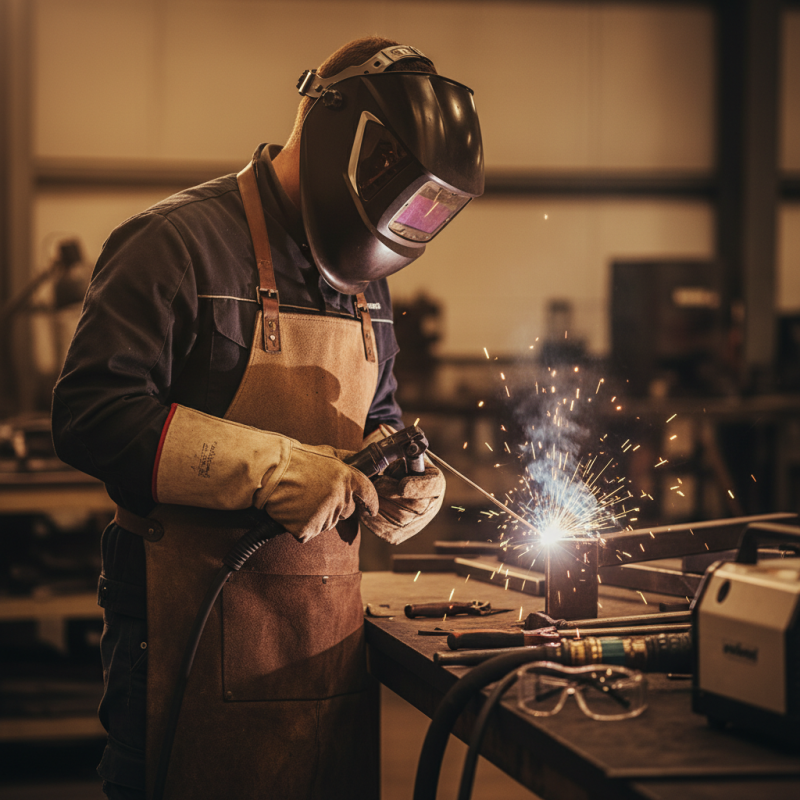
Essential Welding Protection Gear: Types and Uses
Welding safety is paramount for anyone involved in the trade. The right protective gear can significantly reduce the risk of injury. According to the American Welding Society, 30% of welding injuries are caused by inadequate safety measures. Understanding the types of welding protection gear is essential.
Welders must use personal protective equipment (PPE) during work. This includes helmets, gloves, jackets, and boots. A helmet protects against intense light and flying sparks. Gloves provide grip and thermal protection. Fabric jackets often resist flames, but they can deteriorate over time. Ensure gear is well-maintained and free from damage.
Footwear is another critical aspect of welding protection. Steel-toed boots can prevent severe injury from falling objects. Reports suggest that nearly 25% of welding injuries involve foot injuries. It’s crucial to choose appropriate gear, but many welders overlook this. They often underestimate the hazards present. Regular training can reinforce the importance of gear and safety practices. Worker education is key to reducing accident rates in this demanding field.
Essential Welding Protection Gear: Types and Uses
This chart illustrates the importance ratings of various welding protection gear. A welding helmet is deemed the most critical piece of protection, followed closely by gloves. Protective clothing and safety boots follow, while respirators are rated as slightly less essential, highlighting varying levels of necessary protection in welding practices.
Understanding the Risks: Common Hazards in Welding
Welding is an essential skill, but it comes with significant risks. Fumes and gases are some of the most common hazards in this profession. They can lead to respiratory issues. Proper ventilation is crucial to minimize exposure. Yet, many welders may overlook this aspect in their work environment. Ignoring ventilation can lead to long-term health problems that are avoidable.
Another major risk is heat and fire. Sparks can ignite flammable materials nearby. Welders must always identify and remove such materials from the area. It’s surprising how quickly a small spark can start a fire. Wearing appropriate protective gear is essential, yet some may find it uncomfortable. This discomfort might lead to shortcuts, which can be dangerous.
Eye injuries are also prevalent in welding. Intense light and UV radiation are serious concerns. Without proper eye protection, welders risk permanent damage. Sadly, some may underestimate the importance of safety goggles. It's critical to ensure that protective gear fits well and is worn at all times. Inadequate measures can turn a day of work into a disaster.
Essential Welding Protection Tips for Safe Practices
| Hazard Type | Description | Safety Measures |
| Fumes and Gases | Welding produces harmful fumes that can be toxic when inhaled. | Use proper ventilation and respiratory protection. |
| Electric Shock | Electrical hazards can occur if equipment is not properly grounded. | Ensure all equipment is grounded and inspect cables regularly. |
| Heat and Flames | Welding can cause flames and sparks that may ignite flammable materials. | Keep a fire extinguisher nearby and wear flame-resistant clothing. |
| Radiation | Welding produces UV radiation that can cause skin burns and eye injury. | Wear protective clothing and use appropriate eye protection. |
| Noise | Welding operations can produce high noise levels leading to hearing loss. | Use hearing protection when working in loud environments. |
Key Safety Practices for a Secure Welding Environment
Welding can be a rewarding but dangerous process. Safety must be a priority. Wearing appropriate personal protective equipment is non-negotiable. A well-fitted helmet protects your face and eyes from sparks. Gloves should be tough yet flexible, allowing you to maneuver easily. Foot protection is often overlooked; sturdy, steel-toed boots are essential in the workplace.
Creating a secure welding environment is vital. Keep your workspace organized to prevent accidents. Clutter can lead to tripping or losing focus. Ensure proper ventilation. Fumes can build up, causing health issues over time. It's easy to forget this, but respiratory protection is also important. A simple mask can save your lungs from harmful exposure.
Reflecting on past experiences can improve safety practices. Many welders admit to ignoring minor hazards that escalated into serious incidents. Learning from these moments encourages better habits. Check equipment regularly. A malfunction can cause unintentional harm. An ounce of prevention is worth a pound of cure. Cultivating a culture of safety can enhance both confidence and efficiency while welding.
Maintaining and Inspecting Protective Equipment Regularly
When it comes to welding, safety should be your top priority. Regular maintenance and inspection of protective equipment are crucial for safe practices. Start by checking your welding helmet. Look for cracks, scratches, or other signs of damage. A compromised lens can impair your vision and put you at risk. Don't forget to inspect the filter. If it's dirty or worn out, replace it. Remember, clear visibility is essential for precision.
Next, examine your gloves. They should be free of holes and tears. Heavy-duty gloves are designed to withstand heat and sparks. If they're frayed, it’s time to reflect on your safety standards.
Footwear is often overlooked but just as important. Steel-toed boots can protect against heavy equipment. Ensure they fit well, as uncomfortable shoes may distract you.
Finally, assess your protective clothing. Make sure no part is exposed. Flame-resistant materials provide added safety. Ensure they fit properly; loose clothing can catch fire easily. Regular reflection on your equipment can prevent accidents. Set a routine to check everything. Safety is not just a recommendation—it’s a necessity.
Emergency Procedures: Responding to Welding Accidents and Injuries
Welding accidents can happen unexpectedly. It's crucial to know how to respond immediately. Your reaction could save a life. Keep first aid kits nearby. Ensure everyone knows the location. If someone is injured, act quickly but calmly. Assess the situation before moving them. Moving an injured person improperly can cause more harm.
Burns are common in welding. If a burn occurs, cool the area with running water, not ice. This helps reduce pain and damage. For serious injuries, call emergency services immediately. Do not apply ointments or creams. They can trap heat and worsen the injury.
In case of a fire, use a fire extinguisher. Make sure it's the right type for welding materials. Inform others to evacuate the area. Personal safety comes first. Sometimes, mistakes happen that lead to accidents. Learning from these moments is vital. Reflect on what went wrong. This awareness can prevent future incidents and improve safety practices.