
The Wafer Type Butterfly Valve has become a practical choice for compact piping systems, especially where installation space and weight matter. Grand View Research valued the global butterfly valve market at approximately USD 10.7 billion in 2023 and expects continued growth through 2030. The report connects this expansion with water treatment, chemical processing, power generation, and industrial infrastructure.
Small footprint. Lower material use.
Unlike a lug-style design, a wafer valve is clamped between pipe flanges. Its thin body can reduce project weight and simplify replacement work. However, flange alignment must be accurate. A careless installation may damage the seat, create leakage, or shorten service life. That detail is easy to overlook.
Valve engineer Richard W. Zappe wrote in Valve Selection Handbook, “The best valve is the one that meets the process requirements.” This principle remains relevant when selecting a Wafer Type Butterfly Valve. Buyers should evaluate pressure class, temperature range, disc material, seat compatibility, flow velocity, and actuator torque. Product price alone is not enough.
The U.S. Department of Energy identifies efficient flow control as an important factor in industrial pumping-system performance. A properly sized butterfly valve can support reliable isolation and regulation, but it is not suitable for every throttling duty. Abrasive media, high-cycle service, and severe cavitation require closer engineering review.
Manufacturers should provide tested leakage data, material certificates, and clear dimensional drawings. Independent verification strengthens trust. Still, specifications can hide practical weaknesses. The right decision depends on the medium, pipeline layout, maintenance skill, and operating history—not marketing language.
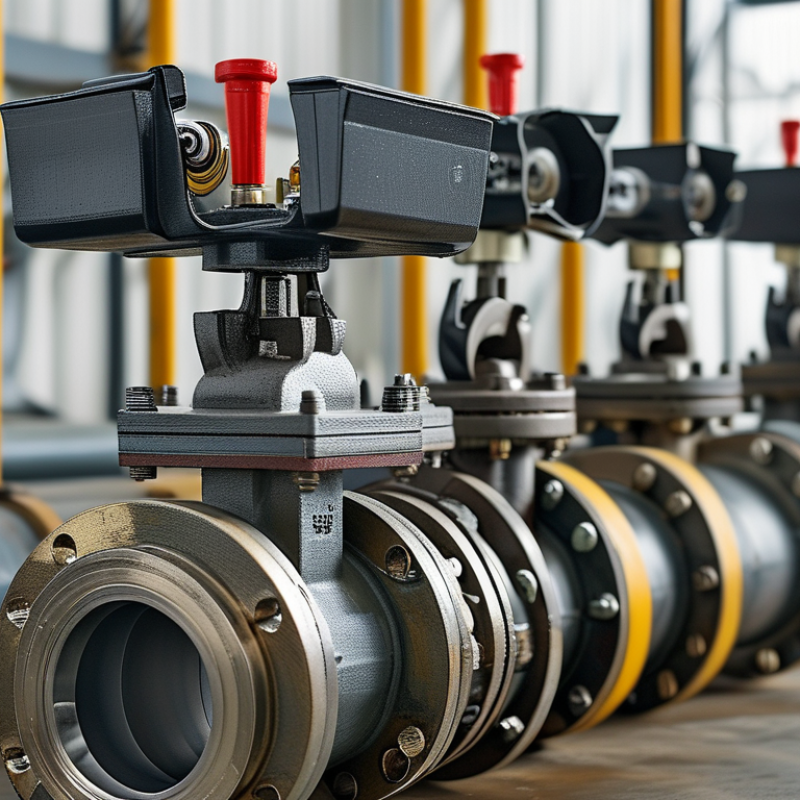
What Is a Wafer Type Butterfly Valve?
A wafer type butterfly valve is a compact quarter-turn valve installed between two pipe flanges. Its thin body is clamped by bolts, while a central disc rotates around a shaft. At 90 degrees, the disc opens or closes the flow path. It does not usually provide the same end support as a lug or flanged valve. That difference matters during maintenance.
The design saves space, weight, and installation time. According to Grand View Research’s 2024 analysis, the global butterfly valve market was valued at more than USD 10 billion in 2023, with steady growth expected through 2030. Water treatment, HVAC, power, and process piping remain major applications. In practice, engineers often choose wafer valves for clean water, air, and low-to-medium pressure service. The correct choice depends on pressure class, temperature, fluid chemistry, seat material, and disc design.
Small details can cause large failures. Pipe flanges must align accurately before tightening the bolts. A disc that touches the pipe can damage the seat during the first operation. I have seen installation teams overlook this point. It is not a minor error. Standards such as API 609, EN 593, and ISO 5752 help define valve dimensions and performance requirements, but site conditions still require professional judgment. A wafer valve may be economical, yet it is not automatically suitable for every pipeline.
A wafer type butterfly valve works by rotating a circular disc inside the pipeline. The disc is mounted on a stem and turns 90 degrees between open and closed positions. When fully open, the disc aligns with the flow. When closed, it rotates across the passage and presses against the seat.
Its compact body fits between two pipe flanges, which reduces weight, space, and installation cost. According to Grand View Research’s 2024 industrial valves analysis, the global market was valued at about USD 78 billion in 2023. This demand reflects the need for efficient flow control in water treatment, chemical processing, and energy systems. The design is simple. The operating conditions are not.
A lever, gearbox, or actuator applies torque to the stem. Proper torque depends on pressure, temperature, medium, and seat friction. MarketsandMarkets’ 2024 valve actuator research identifies automation and remote control as major growth factors in process industries. However, a common mistake remains overlooked: installing the disc too close to an elbow can increase turbulence and damage sealing surfaces. Field technicians should check flange alignment, disc clearance, and bolt tightening. Small errors matter. A wafer valve is not automatically leak-free. Poor sizing, unsuitable elastomers, or excessive throttling can shorten its service life. Expect imperfect conditions, and verify the valve after installation.
China Best Wafer Type Butterfly Valve Manufacturer?
Material selection strongly affects wafer butterfly valve life, sealing, and operating torque. Ductile iron suits ordinary water systems because it offers strength at moderate cost. Carbon steel handles higher mechanical loads, but it needs reliable corrosion protection. Stainless steel performs better with corrosive fluids and humid environments.
The disc material deserves close attention. Stainless steel discs resist rust and maintain a smooth flow path. For abrasive media, engineers may consider hardened alloys or protective coatings. Seat materials also matter. EPDM works well with water, while PTFE tolerates many chemicals and higher temperatures. No elastomer fits every service.
A compact body reduces installation space. It also depends heavily on accurate pipe alignment. The stem should transfer torque without excessive deflection. A properly supported stem improves control and reduces seat wear. The disc edge must clear the pipe during opening. Small errors can cause contact, vibration, or leakage.
In field inspections, I would check flange dimensions, pressure rating, temperature limits, and shaft sealing. A visible seat is not proof of long service. Testing should include shell pressure, seat leakage, and repeated operating cycles. One detail is easy to overlook: insulation can trap moisture around the valve. That choice may need rethinking. A dependable manufacturer should provide material certificates, inspection records, and clear installation limits.
| Evaluation Dimension | Common Selection | Key Technical Characteristics | Typical Applications | Selection Considerations |
|---|---|---|---|---|
| Valve Body | Ductile iron, carbon steel, stainless steel | The body is installed between pipe flanges; wafer construction reduces face-to-face length and overall weight. | Water treatment, HVAC, general industrial services | Match body material to pressure, temperature, corrosion exposure, and line media. |
| Disc Material | Ductile iron, stainless steel, nickel-aluminum bronze | The disc rotates about 90 degrees to open or close the flow passage; material selection affects wear and corrosion resistance. | Water, seawater-related services, chemicals, process piping | Consider chloride exposure, abrasive particles, flow velocity, and required shutoff performance. |
| Seat Material | EPDM, NBR, PTFE, FKM | Resilient seats provide sealing around the disc; elastomer compatibility determines temperature and chemical resistance. | EPDM for water and many aqueous services; NBR for many oil-related services; PTFE or FKM for selected chemical and temperature duties | Verify compatibility with the medium, minimum and maximum temperature, and cycling frequency. |
| Stem Arrangement | Through-stem or one-piece stem; keyed or splined connection | A properly supported stem transfers actuator torque to the disc and helps maintain alignment during operation. | Manual, electric, and pneumatic actuation systems | Check shaft strength, anti-blowout design, corrosion resistance, and actuator compatibility. |
| Connection Type | Wafer, lug, or double-flanged configuration | Wafer valves are clamped between flanges; lug-style valves use threaded or tapped lugs and may support end-of-line service when properly rated. | Compact piping systems, isolation sections, maintenance-friendly installations | Confirm flange drilling, pipe alignment, bolt pattern, and whether dead-end service is permitted. |
| Operating Function | On-off isolation or throttling | Quarter-turn operation enables rapid actuation; a characterized disc and suitable control package are important for throttling. | Isolation, flow regulation, pump systems, cooling-water circuits | Use a valve designed for control duty when continuous throttling, cavitation, or high pressure drop is expected. |
| Pressure Class | Commonly PN 6, PN 10, PN 16, or Class 150, depending on design | Allowable pressure depends on the valve design, nominal size, body material, seat material, and operating temperature. | Municipal utilities, industrial process lines, building services | Never select by nominal pressure alone; review the manufacturer’s pressure-temperature rating and test documentation. |
| Temperature Range | Media- and seat-dependent | Elastomer limits vary significantly; temperature can reduce sealing capability and allowable pressure. | Ambient water, chilled water, warm water, air, and selected chemicals | Use the actual operating temperature, including start-up, shutdown, and thermal cycling conditions. |
| Flow Characteristics | Low resistance when fully open; moderate control capability | The disc remains in the flow path, so pressure loss is generally higher than in a full-bore gate valve of similar size. | Large-diameter pipelines and systems requiring compact isolation valves | Evaluate pressure drop, flow coefficient, velocity, and potential water hammer. |
| Actuation Options | Lever, gearbox, pneumatic actuator, electric actuator | Quarter-turn actuators can provide manual control, automated isolation, or modulating service. | Utility systems, automated process lines, remote installations | Size the actuator for breakaway, running, seating, and emergency torque requirements. |
| Testing and Compliance | Pressure testing, seat leakage testing, dimensional inspection | Relevant requirements may include API 609, EN 593, ISO 5752, ISO 5208, EN 12266-1, and applicable flange standards. | Waterworks, industrial plants, infrastructure projects | Request material certificates, test reports, leakage class, coating details, and traceability records. |
| Quality Indicators | Stable torque, reliable shutoff, accurate dimensions, consistent coating | Good machining, uniform seat compression, protected surfaces, and documented inspection support dependable service. | Critical and general-purpose piping systems | Compare verified technical data rather than relying only on price, appearance, or nominal specifications. |
Note: Pressure and temperature capabilities are design-specific. Final selection should be based on the applicable standard, valve datasheet, media compatibility, and documented test results.
Choosing the best wafer type butterfly valve manufacturer requires more than comparing prices. Start with the valve’s actual service conditions, including pressure, temperature, media, and line size. A suitable supplier should explain body materials, disc finish, stem design, and seat compatibility clearly. Ask for dimensional drawings before approval. Small details matter. Check whether the supplier follows relevant standards, such as ISO, API, or EN requirements. Request material certificates, pressure-test records, and batch traceability. These documents show process control, not just marketing confidence.
Tips: Review sample valves physically. Check disc movement, seat contact, flange alignment, and coating thickness. Ask how rejected parts are handled. A trustworthy manufacturer should provide inspection procedures and clear acceptance criteria. Confirm production capacity, lead times, spare-part support, and communication during technical changes. Factory experience is useful, but written evidence is stronger. A polished workshop does not guarantee stable quality.
Request a sample or witnessed test when the application is critical. Examine leakage results under the specified pressure, not a convenient substitute. Clarify warranty limits and installation guidance in writing. I would not select a supplier from price alone; cheap seats or poor machining can create expensive shutdowns. My evaluation may still miss hidden weaknesses, so independent inspection can add value. Compare several production records, not one perfect example. Reliable cooperation is built through repeated, measurable performance.
Wafer type butterfly valves suit compact pipelines, water treatment, HVAC systems, and general process service. Their short face-to-face length saves space between flanges. That matters in crowded pump rooms.
Application conditions should guide the valve design. Drinking-water service may require suitable elastomers and hygienic documentation. Cooling-water systems often need corrosion-resistant discs and accurately finished stems. Fire-protection installations demand strict inspection and compatible approvals.
API 609 covers butterfly valve requirements, while EN 593 addresses metallic butterfly valves. ISO 5752 helps verify face-to-face dimensions. Flange compatibility should also be checked against ASME B16.5 or the applicable regional standard.
Quality is visible in details. Inspect the body casting, disc edges, seat fit, stem alignment, and coating thickness. Pressure testing should follow ISO 5208 or an equivalent procedure, with recorded test results.
Material certificates, batch numbers, and traceable inspection records strengthen reliability. A serious manufacturer can explain cycle testing, leakage class, operating torque, and temperature limits without vague claims.
The best selection balances application data, standards, testing evidence, and practical maintenance access.