Why Choose a Ball Valve for Your Application?
A Ball Valve is often selected when an operator needs fast, dependable shutoff. Its handle turns a quarter-turn, moving a drilled ball to open or block the passage. In water lines, compressed-air systems, and many process installations, that simple action can reduce operating effort. The compact body may also fit where gate or globe valves are awkward. But quick operation is not the whole story. Details matter. A valve that looks suitable on a catalog page can still mismatch the fluid, temperature, or pressure.
Choosing the right model starts with the service conditions, not just pipe size. Check the media, expected pressure and temperature, connection type, and required flow capacity. Body and seat materials matter; an incompatible seal may swell, wear, or leak. For example, a full-port design can limit flow restriction, while a reduced-port model may suit a tighter installation. Manual handles work for many local shutoff points; remote systems may need pneumatic or electric actuation. Also consider how often the valve will cycle and whether maintenance access is practical. No valve is perfect. Even a well-specified Ball Valve can disappoint if used for continuous throttling without checking manufacturer guidance. This guide explains the main benefits, limitations, configurations, and selection checks, helping you compare options against real operating needs.
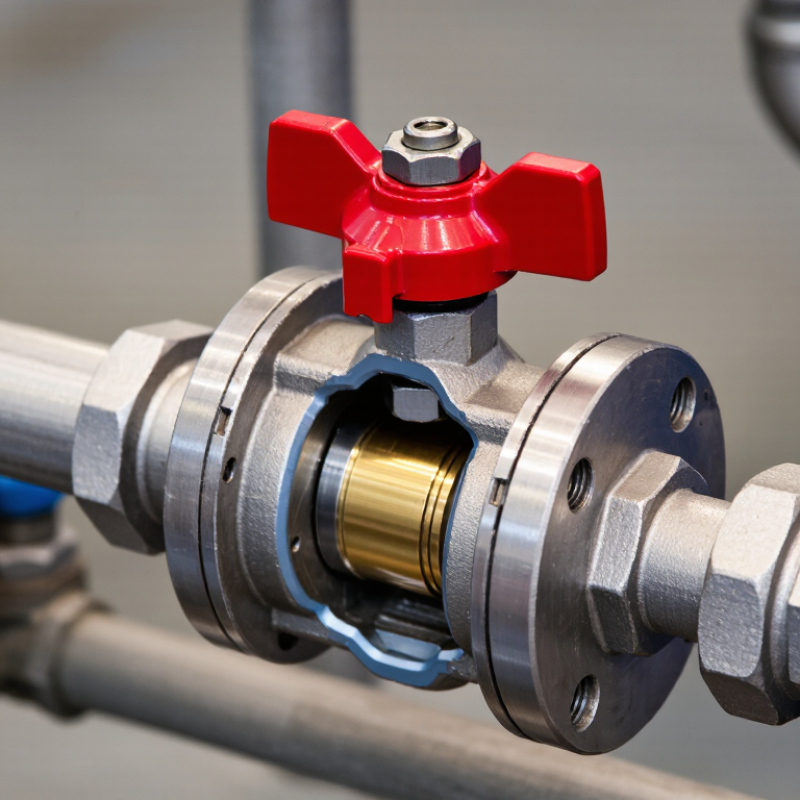
What a Ball Valve Is and How Its Quarter-Turn Mechanism Works
A ball valve controls flow with a drilled sphere inside its body. The sphere sits between two seats, which help seal against the flow path. When the handle turns, the stem rotates the sphere. In the open position, its bore lines up with the pipe. Turn it about 90 degrees, and the solid side blocks the passage. The motion is direct. A clear handle position can make open or closed status easy to check.
Tips: Confirm the valve’s pressure and temperature ratings before selection. Check that the body, seats, and seals suit the fluid. A full-port design may reduce flow restriction, but it can be larger and heavier. Avoid using a standard on-off ball valve for throttling unless its design permits it; partial opening can wear seats or cause unstable flow.
This quarter-turn action is useful when quick shutoff matters, such as isolating a pipe section during routine service. Still, fast operation is not always ideal. In some systems, closing too quickly can create pressure surges. Consider the operating conditions, not just the handle’s convenience. A ball valve is a practical choice, but not every case.
Key Components and Design Features of Ball Valves
Why Choose a Ball Valve for Your Application?
Key Components and Design Features of Ball Valves
A ball valve controls flow with a drilled sphere that turns inside its body. A stem connects the ball to a handle or actuator. A quarter-turn usually moves it from open to closed. Simple movement. The body contains pressure, while seats on either side of the ball help form the seal. Stem seals limit leakage around the moving stem. Each part matters.
Design details affect performance. Full-port models have a bore close to the pipe’s inner diameter, reducing flow restriction. Reduced-port models are often smaller, but create a narrower passage. Seats may use different materials, so check their temperature and chemical compatibility before selection. Grand View Research’s 2024 Global Ball Valve Market report estimated the market at USD 12.37 billion in 2023. That figure signals broad industrial use, not proof that every ball valve suits every duty. I would also verify pressure ratings and cycle requirements against the actual service conditions.
Tips: Ask for the valve’s pressure-temperature ratings and seat material. Confirm whether the application needs throttling; standard ball valves are generally better suited to on-off control.
Applications Where Ball Valves Are Commonly Used
Ball valves are common in water distribution, heating and cooling systems, irrigation, and compressed-air lines. Their quarter-turn handle makes shutoff quick, even in a crowded equipment room. A technician can see whether the valve is open or closed at a glance. Fast shutoff matters. Full-port designs can also limit flow restriction in suitable pipe layouts.
In industrial facilities, ball valves often isolate process lines carrying liquids or gases during maintenance. Food and beverage systems may use sanitary designs with smooth, cleanable surfaces. The valve must suit the actual fluid, pressure, temperature, and cleaning routine; seal materials that work for water may not suit hot oil or cleaning chemicals. Not every service qualifies. Ball valves are generally better at on-off service than precise flow control, since prolonged throttling can wear seats or create unstable flow. That detail is easy to overlook when selecting a valve from pipe size alone. Check the operating conditions and required maintenance access before choosing a model.
Advantages and Limitations of Choosing a Ball Valve
A ball valve is useful when a line needs dependable, quick shutoff. Its quarter-turn handle is easy to operate, even when access is limited. In a full-port design, the opening closely matches the pipe diameter, which can reduce flow restriction. That matters in systems moving water or other clean fluids. Fewer turns, too. The simple movement also makes the valve’s position easy to check at a glance.
The design has limits. Ball valves are generally better for fully open or fully closed service than for precise flow control. Leaving one partly open can wear the seats or create uneven flow, especially under high pressure. Solids may also collect around the ball and affect sealing. Not every valve suits every temperature or fluid; body and seat materials must match operating conditions. A small workshop line carrying clean water may need a different configuration from a hot process line. That choice is easy to underestimate. Checking pressure, temperature, fluid composition, and how often the valve will cycle helps avoid a poor fit. Even then, maintenance access deserves a second look; a valve that works well on paper can be awkward to inspect in a crowded pipe run.
Factors to Consider When Selecting a Ball Valve
Why Choose a Ball Valve for Your Application?
Factors to Consider When Selecting a Ball Valve
Start with the fluid, not the valve’s appearance. Water, steam, oil, and abrasive slurries place different demands on body materials, seats, and seals. Check chemical compatibility across the full operating range. A seal that works at room temperature may not perform the same way near the process limit. Small details matter.
Pressure and temperature ratings must match actual operating conditions, including possible surges. Compare the valve’s documented limits with the system’s requirements, and leave an appropriate safety margin. Then consider pipe size, connection type, and flow needs. A full-port design can reduce flow restriction, while a reduced-port valve may suit a compact installation. Neither option is automatically right.
Think about how often the valve will operate and how it will be controlled. Manual handles work well for accessible, occasional adjustments; automated actuation may be more practical for frequent or remote operation. Check the installation space, too. A handle can be awkward beside a wall or crowded pipework. Maintenance access is easy to overlook. Review the manufacturer’s technical data and applicable system requirements before selection, and ask a qualified engineer when conditions are uncertain. There is no universal best choice. Sometimes the first specification needs a second look.